
With Devant les flammes, Sauveur Eloheem Delivers the Ultimate Anti-Summer EP
While the music industry spends the summer churning out catchy hooks, dance-ready beats and Latin-infused tracks, Sauveur Eloheem has chosen to head in the opposite direction. On his new EP, Devant les flammes, the…
 Written byZEZ XXI — Mazdak Vafaei Shalmani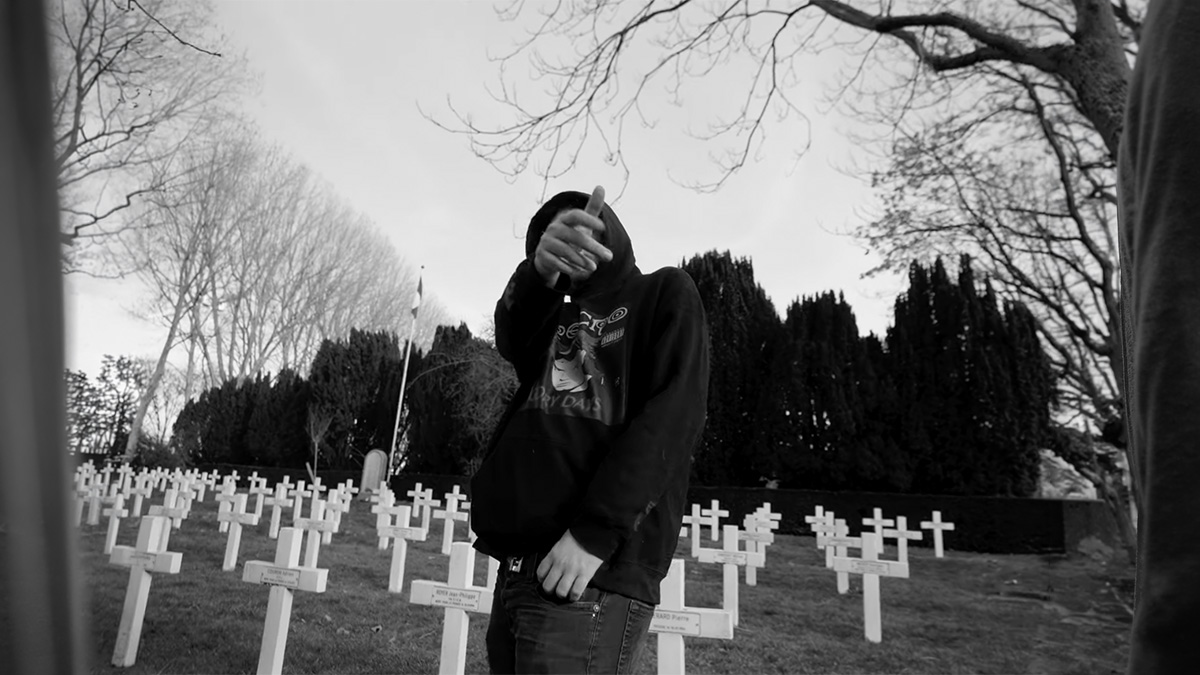
While the music industry spends the summer churning out catchy hooks, dance-ready beats and Latin-infused tracks, Sauveur Eloheem has chosen to head in the opposite direction. On his new EP, Devant les flammes, the French rapper is neither chasing a seasonal anthem nor trying to soundtrack anyone’s holiday. Instead, he appears to be writing his own last will and testament.

Born Isaiah Paul Saül Ory on 21 January 1994 in Les Lilas, Sauveur Eloheem is a rapper, producer and beatmaker, as well as an occasional journalist and writer. Over the years, he has established himself as one of the most distinctive voices in the French underground. Since the beginning of his career, he has developed a universe deeply rooted in dark rap and horrorcore—two genres that remain largely marginal in a music industry driven by instant success.
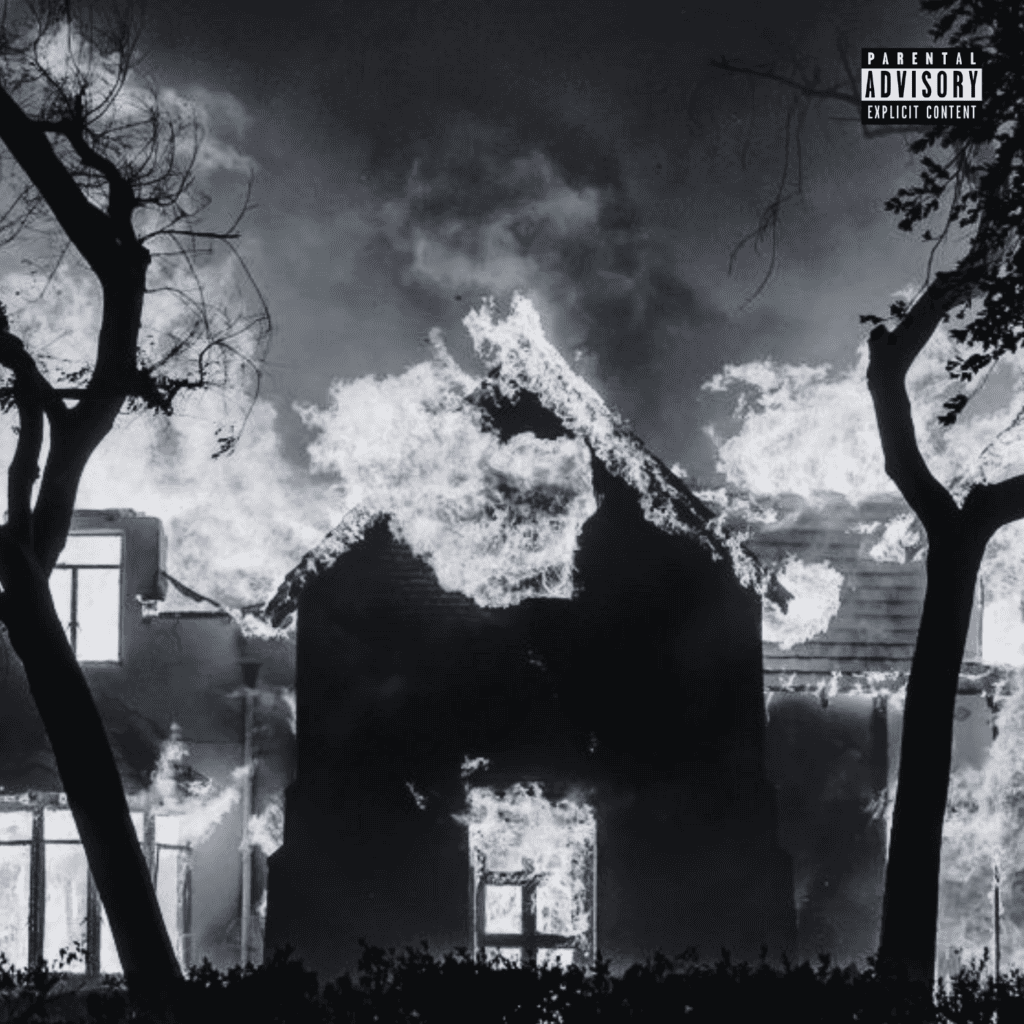
On Devant les flammes, Sauveur Eloheem remains faithful to that identity. The EP is bleak, shadowy and fuelled by a constant sense of unease. There are no frantic summer rhythms, sun-drenched melodies or hooks engineered for the biggest playlists. Isaiah may be one of the only French rappers who had absolutely no intention of making people dance this summer. While everyone else is trying to create the soundtrack to the holiday season, he would rather stare death, regret and his own contradictions straight in the eye.
Produced entirely by Sauveur Eloheem and Pendo46, the project is nevertheless more eclectic than it might initially appear. Its tracks explore different sounds and flows while retaining the ominous undercurrent that defines Sauveur’s music. The darkness is more than an aesthetic choice: it becomes the thread running through a record that often feels like an extended internal monologue.
The final two tracks also bring back something that has become increasingly rare in French rap: an actual backing vocalist. In doing so, Sauveur Eloheem revives a practice that largely disappeared after the late 1990s. Back then, female backing vocals frequently accompanied rappers, bringing depth, texture and an almost soul-inspired quality to their hooks. Over time, those human voices were gradually replaced by machines and Auto-Tune. By returning to that tradition, Sauveur is not simply looking backwards—he is bringing warmth and raw emotion back into his compositions.
The closing track, “Comme Karaba,” is arguably the project’s most intimate moment. Known for moving comfortably through darkness and troubled thoughts, the artist briefly lowers his guard. With striking honesty, he talks about “the life he loves,” while also expressing a desire for “a healthy life,” free from drugs and suicidal thoughts.
Should this be understood as regret, or as a desire to leave part of his life behind for good? Not quite. Sauveur Eloheem does not reject the universe he has built, nor does he attempt to erase the person he once was. These words seem instead to reflect the natural passing of time. Behind the macabre imagery, spiritual references and provocations stands a man now capable of looking back on his journey with greater perspective.
That may be the real strength of Devant les flammes. Beneath the EP’s funeral-like atmosphere lies a deeply human struggle: that of an artist caught between the darkness that fuels his music and the desire to preserve his own life. Sauveur Eloheem has not recorded the song of the summer. He has created the soundtrack to an endless night—while still allowing for the possibility that, somewhere in the distance, there may be a way out.
