Red Bull Music Academy: A Continuing Legacy
Ollie Oshodi is a brand and culture expert and strategist who helps founders, brands and organisations realise their cultural ambitions. Previously Managing Director of The FADER UK, she has spent over 20 years connecting…
 Written byZEZ XXI — Mazdak Vafaei Shalmani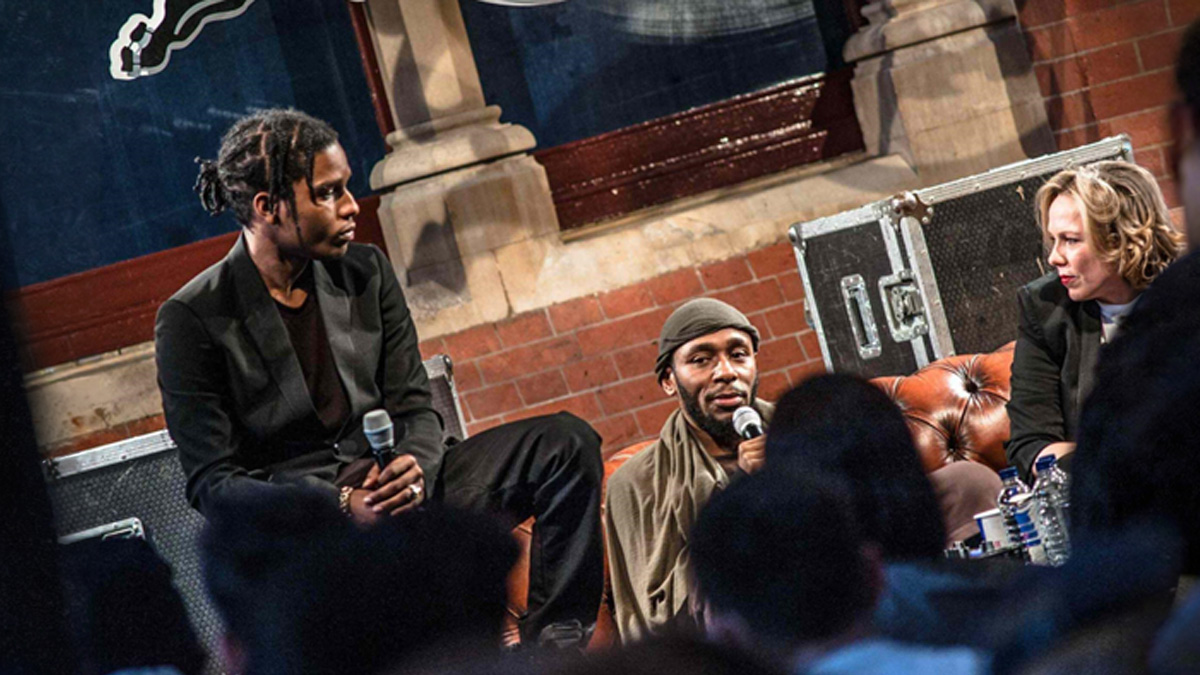
Ollie Oshodi is a brand and culture expert and strategist who helps founders, brands and organisations realise their cultural ambitions. Previously Managing Director of The FADER UK, she has spent over 20 years connecting brands and cultural communities for the likes of Adidas, Levi’s, Spotify, Converse, Foot Locker, YouTube and more.
A couple of months ago, I had a conversation with a Serbian DJ, promoter and club owner where we talked about what music communities in Serbia need right now, specifically in Belgrade. He mentioned that the closure of Red Bull Music Academy in 2019 and the scaling back of their global music activity had negatively impacted independent music culture and nightlife in Serbia. He felt that the brands who were investing in music focused on the mainstream and paid little attention to the communities pushing the culture forward.
A few weeks later DJ, label owner and venue founder Bradley Zero cited Red Bull Music Academy as the gold standard for brand partnerships in music on a panel at the Common Interest Villa at Cannes. He talked about the quality and depth of the programming across the lectures and events and its ongoing influence in electronic music. At the same time, he acknowledged that the landscape has changed and today’s reduced brand culture budgets and short term approach to marketing might not produce the conditions that would allow RBMA to exist in the same way today.
Despite this, Red Bull’s approach is a constant reference, the North Star music x brand case study in countless panels, decks, books and articles. I’m still regularly having conversations about how much of an impact it had and what brands can learn from it. But 7 years on from RBMA’s closure and the scaling back of Red Bull’s music activity since then, what is it saying about the state of brand and music partnerships today if Red Bull is still the GOAT?
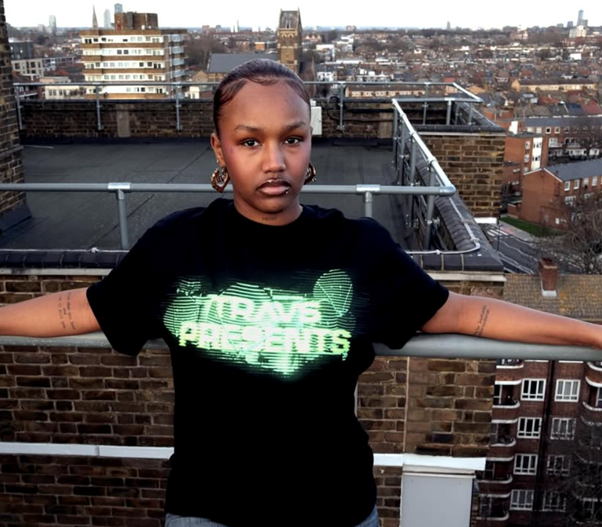
I started by talking to Gen Z journalist, programmer and cultural facilitator, Naz Hamdi. I wondered whether this obsession was a generational thing, whether younger people within music would still hold it as a reference point. I was surprised when I asked Naz which brands came to mind for her in music, Red Bull came up unprompted.
“Brands and music? I’m thinking more about music-related brands. Maybe the Fenders, Marshalls, Pioneer… Red Bull. It isn’t necessarily a music brand but Red Bull has been across music for decades. They’ve always found themselves in that space.
Red Bull are very good at not just supplying product and gifting so they’re seen in certain spaces. They have content series with producers, DJs and artists, and they do activations really well. Culture Clash was iconic. Also, they’re always at Carnival and different events.
It’s interesting because alongside music, Red Bull is very immersed within sports like BMX, skating, Formula 1 – they’re very sports heavy. But they have such a big impact in music too.”
However, while Red Bull is front of mind for Naz, maybe she’s being influenced by her older peers and colleagues for whom it is a legacy music brand.
“I work a lot with millennials so I might be ahead of my years. I think if you were to ask people who are my age group and not in the industry, I don’t know whether they’d mention Red Bull. I’ve read up on Red Bull Music Academy, but I think if I didn’t work in the music industry, I don’t think I’d know anything about it. I know that it was impactful and I maybe saw the back end of the cool stuff that they did and because of that I think about them.
They still have a lot of content series but I don’t know if it’s necessarily landing as much. People my age group in music are working a lot more with the sportswear brands like the New Balances, the Salomons, the Adidases and those are the ones who are filling Red Bull’s boots.”
So while Red Bull are still present, maybe the impact the brand has had on the music community is a relic of a bygone age? And maybe their legacy is strongest amongst those within music and culture industry spaces? But why are we still turning to them and what did it represent?
Let’s admit, some of it is probably a wistful nostalgia for a more simple time. Looking back to the early days of our careers when brands seemed to have the freedom (and budgets) to have a more altruistic relationship with music and culture. Where performance wasn’t interrogated in the same way and brands were more open to trusting in the taste and instincts of culture experts to consistently deliver the brilliant creative ideas and great programming that was at the heart of long-term brand building.
Perhaps it’s also because nothing seems to have replaced it with the same level of impact. In Selling the Night, Andy Crysell’s sharp exploration of the history of brands and club culture, he discusses the Red Bull Music Academy story in detail. He interviews Torsten Schmidt, writer, editor and co-founder of Yadastar, the Cologne-based agency who birthed and nurtured RBMA (setting the foundations for Red Bull’s music successes), and talks through its beginnings, talent, challenges and legacy.
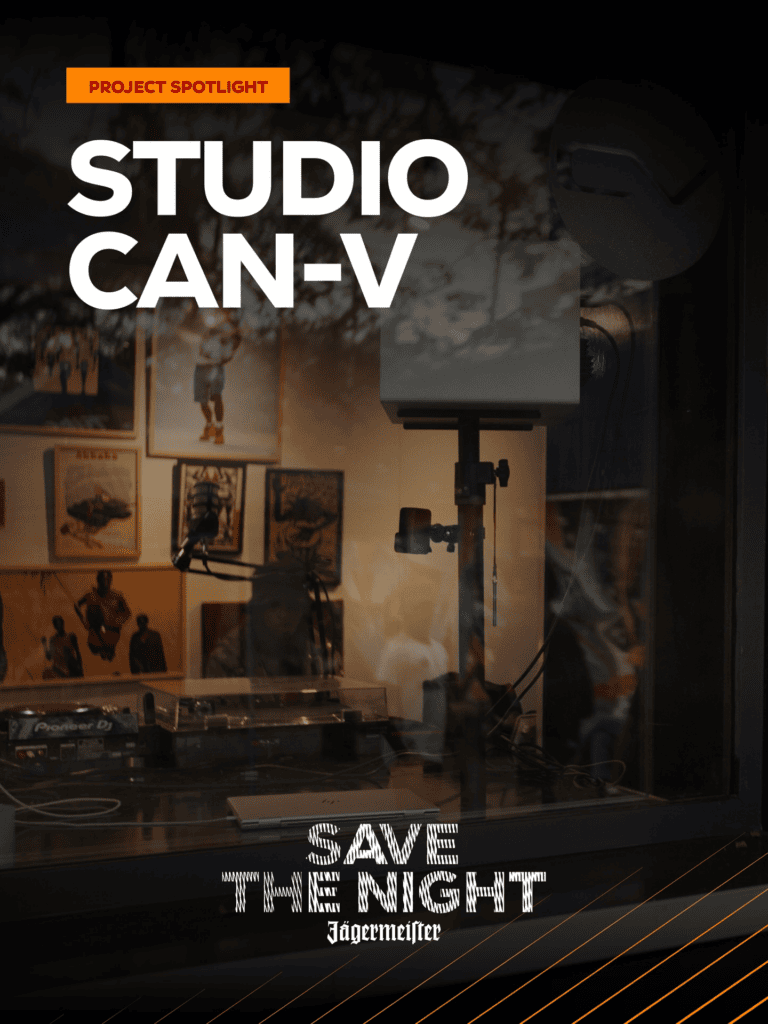
He does reference others such as Ballantine’s (who Naz did mention briefly later on in our conversation) and their True Music platform that has showcased global electronic music scenes for the last 12 years, while supporting communities through its True Music Fund. T-Mobile / Deutsche Telekom’s Electronic Beats, with its predominantly editorial focus gets a mention. As does Jagermeister with their Save the Night Fund supporting innovations in club culture, Night Embassy offering creatives a platform to bring their ideas to life and Best Nights VC, its nightlife and entertainment-focused venture capital arm. However, nothing yet matches the global reach, depth and impact that Red Bull had.
As Bradley Zero said, 2026 is a very different cultural and economic landscape. Our diversified media mix, changing audience behaviours, a challenging economic reality and a more short-termist approach by many brands to music and culture marketing mean that it’s rare that brands have the budgets or business appetite to create such an immersive, wide-ranging and long-term initiative.
Yet, Naz makes a good point when she says, “The best form of marketing is word of mouth. Are people still talking about your campaign?” And 7 years later, with Red Bull still front of mind for so many, perhaps the two decades of well-crafted music investment have helped to deliver a long tail impact on brand equity. However, that legacy is only going to last so long, even within the music community, as younger audiences start to lose that deep connection with the brand through music.
Nevertheless, when so many of us are still reaching for the same legendary case study, there’s clearly a demand and infrastructural gap within music and nightlife that needs to be filled. People feel Red Bull’s absence. With RBMA, they lost an international education, knowledge-sharing, networking and mentorship hub. A lecture series and editorial archive of contemporary underground music culture. Red Bull’s reduced investment in music meant they lost a network of eleven permanent global studios that offered access. A record label and radio station that distributed and promoted emerging artists. Festival and live event formats that brought local scenes to global audiences. All connected.
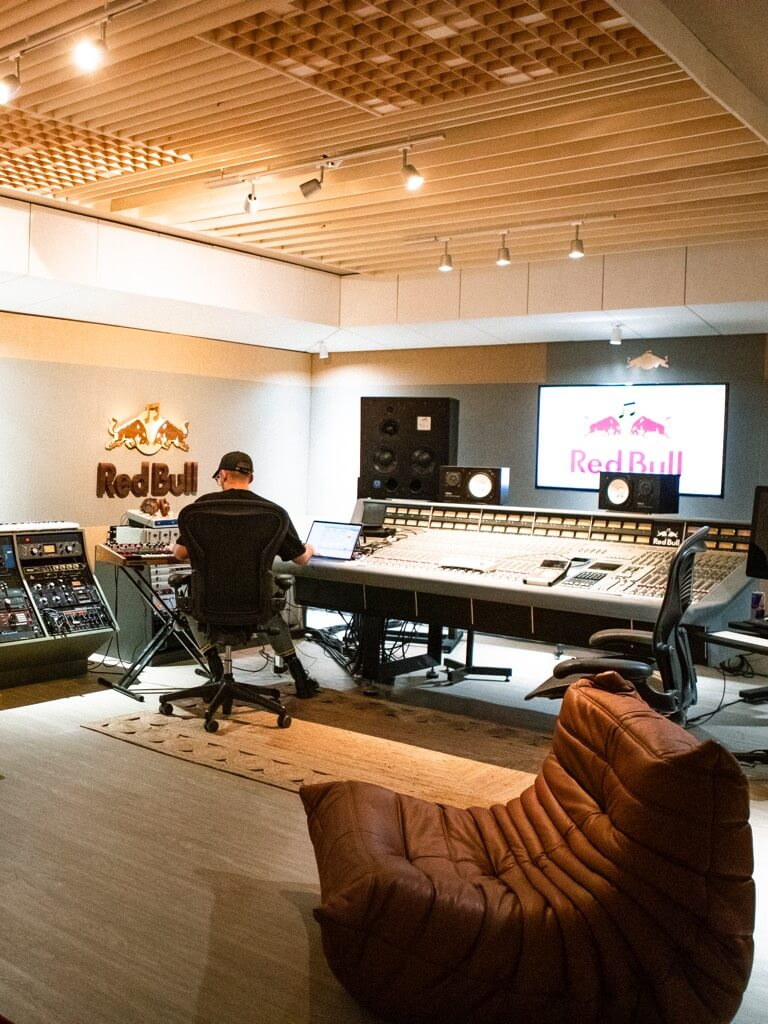
While the likes of Ballantine’s, Jagermeister and Deutsche Telekom are addressing parts of the gap, there isn’t one brand covering the whole ecosystem in the same way. Being present in the chain from education, through production, to distribution and live, Red Bull felt like an institution. And that’s what’s missing.
In Selling the Night, Andy Crysell suggests “You get the strong sense that, through some entirely unreplicable alchemy of right time and right blend of personalities, next to an unusual corporate structure and strategy, RBMA just got away with it. Which is great for the work it produced and the legacy created – but perhaps, less so in terms of a blueprint for others to follow.”
You can’t replicate RBMA in exactly the same way right now. We live in a totally different environment. However, you can learn from the elements that made it such a brand icon in music. With a gap to be filled and clear community demand, how can brands address this today, and what can they learn from Red Bull’s impact?
Sleeve Notes: How to Build Brand Equity & Cultural Legacy Through Music
1. Have a clear positioning and role to play
Red Bull’s “Gives you wings” positioning is clear, distinctive, easily understood and easy to apply to different audiences and contexts. In music, it translated cleanly – giving emerging artists the education, tools, platform and stage to take off. The list of alumni who have passed through RBMA alone (including Black Coffee, Aloe Blacc, Nina Kraviz, Flying Lotus and Emma-Jean Thackray) is proof of this, each gaining real value from their interaction with the brand.
The clarity of the positioning also allowed the execution to successfully flex to consumer-facing formats such as RBMA Festival or Culture Clash, delivering a layered music strategy with strong foundations.
For brands wanting to make an impact in music and culture, be clear on the current context for your audience, why you have permission to be there, what value you’re bringing to a specific culture community and the distinctive role your brand can play.
2. Set up sustainably to deliver consistency
Today’s market volatility and changing business priorities mean that brands aren’t in the same position to commit to the levels of long term investment Red Bull maintained to have impact and drive brand equity. However, consistency is the most important thing and consistency compounds.
As Naz says, the current landscape is full of one-off tactical activations, “It’s always a one-off moment that looks cool but I don’t know if anyone remembers it now.” Repeating formats and sustained presence builds memory and mental availability in a way that single activations cannot.
When building platforms, sustainably set them up for longevity. Design the minimum viable version that still creates meaningful value and can survive a constrained budget year. Acknowledge what the smallest iteration could look like, cost it out and sell that into the business as an ongoing investment that can then be flexed up or down according to economic realities. The value you’re bringing to culture communities needs to be a core and consistent investment, even if you have to start small and adjust the budget numbers at times. Responsible planning should also consider how archives, relationships and community assets will be protected through changes in budget, leadership or strategy.
Brands should also look at the assets they already have, consider how they can add value on a longer term basis (e.g. physical space, distribution, marketing and operational knowledge), optimising spend at the same time.
3. Partner with trusted culture experts to deliver quality curation
The quality of curation and execution of Red Bull Music Academy has to come down to Yadastar, the Cologne-based agency co-founded by a music writer / editor who partnered with international music journalists to develop and deliver RBMA over the years. You only have to look at both the talent that came through the Academy and those who participated in the lectures to appreciate the depth of their expertise, often shining a light on the underappreciated and under-represented talent who were pushing music forwards. Regular contributors such as writer Emma Warren deeply knew scenes from the inside and understood which voices and histories mattered. Yadastar and Red Bull trusted them to take risks and support less obvious artists.
Brands should prioritise partnering with experts in culture communities, the journalists, promoters, DJs, editors who have deep knowledge of scenes and trust in their abilities to sift out the talent, stories and scenes that deserve attention.
4. Widen your partnership scope to deliver greater scale
Red Bull built their credibility in music through RBMA which provided opportunities for artists globally and created a platform that allowed them to legitimately expand into events, festivals, studios and more, reaching fans and the industry through multiple touchpoints. It’s this ecosystem that people miss. However, it’s fair to acknowledge that this breadth of activity might not be possible by one brand alone in today’s context.
Smart partnerships might enable brands to have more longevity in culture. Rather than building permanent spaces that will require ongoing hard costs, partner with a studio or venue and hire space for specific time periods. Red Bull have done this themselves, recently popping up in Lyon and Marseille, delivering what artists need as well as supporting the industry.
Multiple brands under the same holding company could each deliver a different part of the ecosystem. Ballantine’s already amplifies, funds and documents global grassroots communities through its True Music platform and Fund. How about if other Pernod Ricard brands addressed education or studio access?
Non-competitive brands from different categories could partner across the chain, co-funding and bringing collab culture into a new environment. Brands could even act as anchors, partnering with public bodies, cultural organisations and venues under one connected platform, linked to the full range of support without having to fund and operate every part of it.
The most important thing is that it feels cohesive, and that artists and audiences can connect the dots with a consistent brand story being told through all touchpoints.
The Future
What’s interesting is that Red Bull’s legacy in music remains, even though they’ve changed how they activate. Although they shuttered Red Bull Records in 2025, they are still present in music, particularly across social. 1520 is building a community around hip hop culture with Red Bull Music dropping regular videos across various short-form multi genre music performance formats. Event-wise, they recently hosted Midsummer, with seven electronic music events across seven cities on three continents, including Mumbai, London, Berlin and Tokyo, and even brought back the much loved Culture Clash in the UK in 2025.
However, it feels like a lighter and more modular Red Bull music offering, a series of pop-ups, content formats and city events rather than the single connected ecosystem people miss. There’s therefore an opportunity for Red Bull to reignite the deeper role they once held and rebuild cultural authority for a new generation while building on the legacy of what has come before.
For other brands, there’s still an opportunity to claim the space Red Bull Music Academy vacated, although unrealistic in today’s reality to expect them to commit on a similar scale. However, to make an impact, they must identify the current need, determine their role, deliver activity that is deliberate, focused and sustained and stay involved long enough for the value and memory to compound and become part of the cultural ecosystem.
RBMA remains the benchmark because it showed how solving meaningful cultural problems through a clear, connected and sustained brand role can generate both cultural legacy and long-term commercial value.
Ollie Oshodi website