
Jewel Usain returns with “Ikebukuro”
In October 2023, Jewel Usain unveiled his opus “Où les garçons grandissent”, a pivotal project in his discography. Conceived as his “first real” album, it stood out for its strong artistic direction and rare…
 Written byZEZ XXI — Mazdak Vafaei Shalmani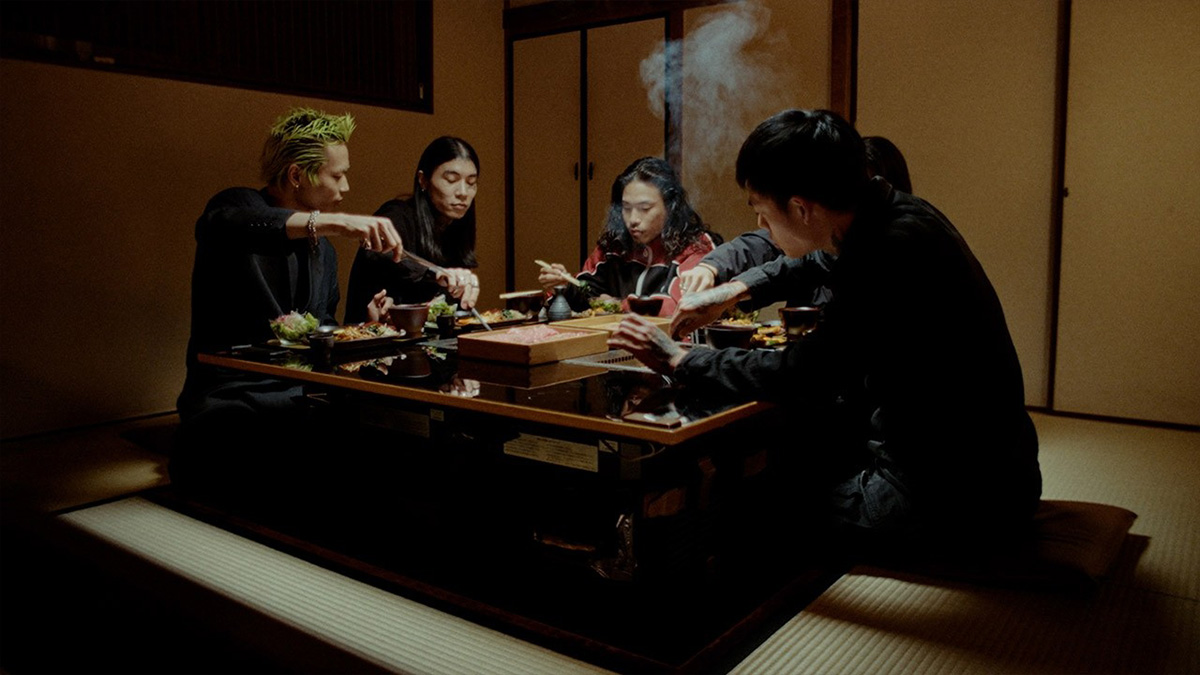
Dans cet article

In October 2023, Jewel Usain unveiled his opus “Où les garçons grandissent”, a pivotal project in his discography. Conceived as his “first real” album, it stood out for its strong artistic direction and rare sense of cohesion. While never claiming a strictly old-school aesthetic, the artist retained its essence: a carefully crafted body of work, far removed from a mere collection of singles. Surrounded by like-minded artists such as Prince Waly and Saintdoss, Jewel Usain was already shaping a demanding and deeply personal artistic universe.
As he puts it himself in “Ikebukuro”:
“Two years without an album, you stay quiet when you’ve got nothing to say / It’s easier to chase pleasure, and I know how to mix business with it”.
A direct way of embracing silence, restraint, and the time required for true creation. Today, Jewel Usain makes his return with “Ikebukuro”, a track inspired by the iconic Tokyo district—an urban hub known for its nightlife and commercial energy.
Jewel Usain returns with “Ikebukuro”
The instrumental is produced by Béesau, a long-time collaborator of Jewel Usain. Their partnership continues a creative synergy built on standout tracks such as “Poussière”, “Incapable”, “Compliqué”, “Nouvel export”, “OLGG”, and “Bleu Marine”. Béesau has also worked with Disiz, notably on “L’amour” and “Sublime”. Here, the production subtly draws from Japanese-inspired aesthetics, introducing a delicate manga-like tone—never overdone, always controlled—enhancing the atmosphere without overwhelming it.
Over this backdrop, Jewel Usain delivers a dense and controlled egotrip, without a hook, in just under two minutes, extended visually through a four-minute, narrative-driven video:
“We’re trying to keep our heads above water like amphibians
Watch how my flow locks perfectly with the beat
I know people who won’t have the luxury of marrying that well”
The visual, directed by Kidhao, moves between France and Japan. From an opening rural sequence to a go-fast journey, culminating in a restaurant scene in the Ikebukuro district, the clip unfolds through a fragmented narrative, almost “surreal”—not in an unrealistic sense, but as a flow of thought that transcends traditional storytelling. The imagery perfectly mirrors the rhythm of Jewel Usain’s delivery, creating a true symbiosis between sound and image, on the edge of visual poetry.
Kidhao, a recurring collaborator, had already helped shape the artist’s visual identity on previous works such as “Incapable”, “Turquoise”, and “Eleanor”, reinforcing a coherent and enduring artistic partnership.
