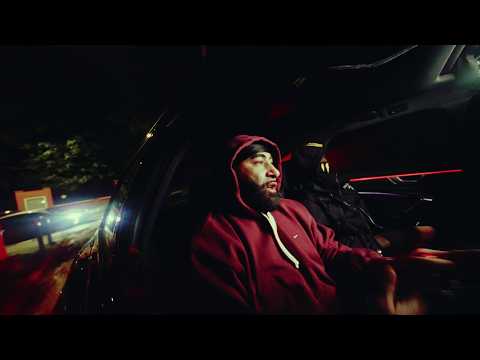
La Fouine and Soprano face each other in a “Miroir”.
La Fouine, Sefyu and Soprano left a lasting mark on French rap with one of La Fouine’s biggest hits, “Ça fait mal”. Today, after already well-established careers, La Fouine and Soprano reunite on “Miroir”,…
 Written byZEZ XXI — Mazdak Vafaei Shalmani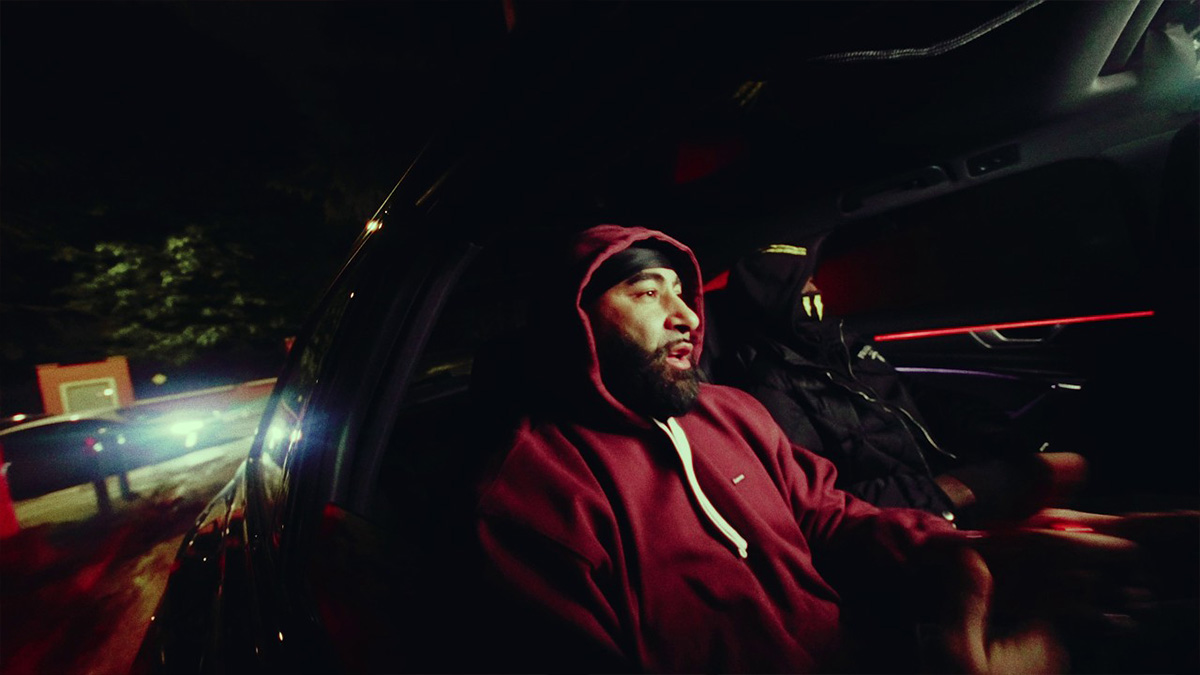
Dans cet article
La Fouine, Sefyu and Soprano left a lasting mark on French rap with one of La Fouine’s biggest hits, “Ça fait mal”. Today, after already well-established careers, La Fouine and Soprano reunite on “Miroir”, taken from the project “Banlieue Sale Radio Vol. 3”. Staying true to the spirit of his “Banlieue Sale Radio” series, La Fouine continues to bring people together, blending major figures of the French rap scene with more underground artists, further confirming the impact and reach of the previous installments.
Within the industry, people often refer to “Soprano’s SACEM”. While he still claims his identity as a rapper, despite a broad audience and a musical range that stretches from rap to pop, Soprano has become a major figure in French music, stacking up diamond-certified records. First emerging with Psy4 de la Rime on “Le son des bandits”, he has always maintained a critical—or at least lucid—perspective on gangsta rap. Appearing on the TV show “On n’est pas couché”, he once revealed that his father had reproached him for that title, reminding him that their sacrifice in coming to France was not meant for his son to become “a bandit”.
With “Hiro”, Soprano paid tribute to figures of the anti-racist struggle. More recently, on “Sous le Soleil”, taken from “13 Organisé 2”, he closes the track alongside pioneers of Marseille rap with a message of peace, at a time of rising tensions in the neighborhoods. On his side, La Fouine, through tracks like “Tous les mêmes”, “Unité”, and more recently “Bénédictions”, also embraces more conscious statements at times. Both artists navigate between two symbolic poles: the crow and the dove.
La Fouine and Soprano face each other in a “Miroir”.
The track opens with a raw, sharp and deliberately provocative verse from La Fouine. In the visual directed by Glenn Smith, a close collaborator of the artist, all the genre’s codes are present: cocaine, firearms… The immersion is total. The atmosphere feels like a full-blown “gangsta party” around Trappes, with La Fouine at the center. He delivers a series of hard-hitting punchlines, consciously playing with the stereotypes of the genre to expose their limits.
“A gun to your head and you’re asking for extensions”
“You gave out information, it’s only right we spray you”
In contrast, Soprano steps in with a completely different tone, offering a critical perspective on this “unconscious” rap that resonates with part of the youth. In a darker, almost mournful atmosphere, he raises a central question: does protest rap, by nature, sometimes contribute to the normalization—or even glorification—of violence?
“Understand, Laouni, it hurts when kids tell me they want to be armed like in our videos”
“Violence is a snake eating its own tail, because here, nothing is ever settled”
“We glorify what makes our mothers cry while shouting everywhere that we love them”
Through “Miroir”, the two rappers—both key figures of this culture and clear-eyed observers of its contradictions—deliver a conceptual, powerful, and deeply timely track. A musical reflection that strongly resonates in a context where violence increasingly affects younger generations.