
Kaaris believes “La Chèvre” also comes from Sevran
On June 12, Kaaris will officially return with his new mixtape “BYAKUGAN”, a title directly inspired by the world of Naruto and the legendary hereditary power of the Hyûga clan. The reference feels perfectly…
 Written byZEZ XXI — Mazdak Vafaei Shalmani
Dans cet article
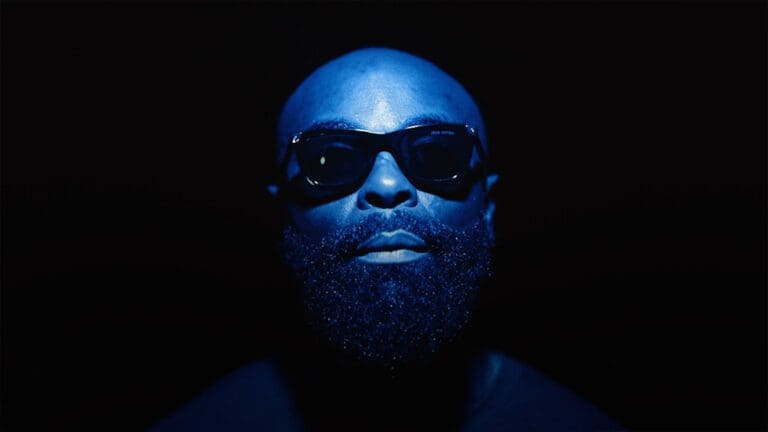
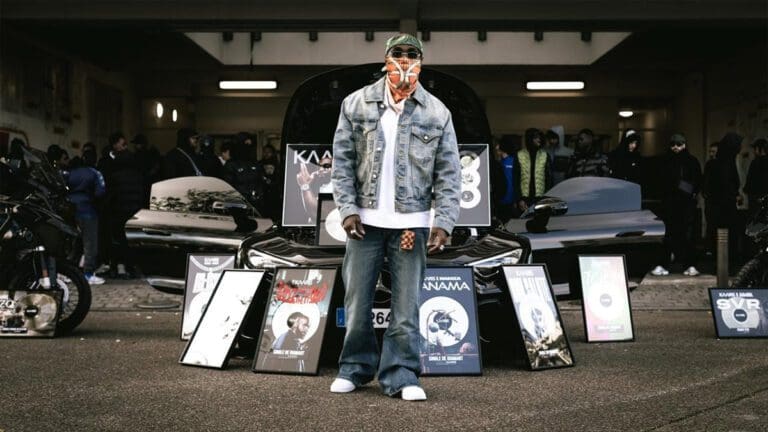
On June 12, Kaaris will officially return with his new mixtape “BYAKUGAN”, a title directly inspired by the world of Naruto and the legendary hereditary power of the Hyûga clan. The reference feels perfectly aligned with an artist who has always cultivated a dark, warlike and almost mystical imagery around his music. Ever since the release of “Day One”, anticipation surrounding the rapper from Sevran has continued to grow, as his trajectory remains one of the most fascinating in French rap.
With “Or Noir Part 3”, Kaaris had already made headlines by reconnecting with Therapy Music, the producer behind the very first installment of “Or Noir”, an album now considered one of the biggest turning points in modern French rap history. More than just a project, “Or Noir” represented a complete aesthetic shift: the massive arrival of trap and drill influences in France, but also a new way of approaching rap music altogether.
Whether or not the artist truly “brought light back to Sevran” ultimately doesn’t matter much anymore: Kaaris’ cultural impact is undeniable. While many French rappers from the ‘90s and 2000s remained deeply rooted in traditional French rap codes, Kaaris helped push an entire generation toward a darker, rawer and far more aggressive sound inspired by cities like Atlanta and Chicago. His arrival reshaped flows, production styles and even the attitude of French rap itself.
Now, constantly caught between predictions of decline and perpetual reinvention, the rapper returns with “La Chèvre”, a brutally raw track where he unleashes an almost animalistic energy. A reminder that despite the passing years, his artistic DNA remains completely intact.
Kaaris believes “La Chèvre” also comes from Sevran
The instrumental production is handled by Biggie Joe. The producer, who gained wider recognition through “Nouvelle École”, recently worked on “Sale État” by RK and Ninho, as well as “Silence” by Sicario, the collaboration between Sadek and YL, and the track Kaaris and La Fouine released together, “Visions”. Here, the production immediately stands out for its sonic violence: heavy basslines, abrasive textures and suffocating atmospheres create the perfect backdrop for the rapper’s universe.
The result brings back the wild and unpredictable Kaaris who completely disrupted French rap codes in the early 2010s. As always, the rapper delivers brutal punchlines and memorable gimmicks without ever holding back:
“J’suis noir comme la moitié de Zetsu, toujours le sourire sauf quand tu nous dois des sous
S’il manque même un peu de maille, je vais te filoche, j’mets mes affaires en stand-by
J’ai juré que si j’t’ai pas fumé, c’est qu’j’suis pas l’Élu, dans la Matrix y a une faille”
Through the character of Zetsu, Kaaris once again showcases his fascination with manga culture, something that has remained deeply embedded in his artistic identity for years. A pop culture influence he merges seamlessly with his ultra-street and dystopian aesthetic.
Among the other standout lines on the track:
“Même quand j’tape poteau c’est rentrant, le menton est solide, barbu comme un Daghestan”
The music video further amplifies this brutal and futuristic atmosphere. Directed by Cedrick Cayla, the visual combines performance shots, CGI and digital imagery through a particularly polished artistic direction. The director had previously worked on several major visuals for Lartiste, including “Cleopatra” and “Barcelona”. Somewhere between urban fiction and visual hallucination, the “La Chèvre” video once again highlights the growing importance of aesthetics within Kaaris’ artistic universe.
