
From Summer Hits to Afro-Urban Dominance: How Rap Became the Soundtrack of Summer
Every summer has its own soundtrack. For decades, the formula for a summer hit was fairly straightforward: a catchy melody, a chorus that everyone could sing along to, and an upbeat production designed to…
 Written byZEZ XXI — Mazdak Vafaei Shalmani
Dans cet article



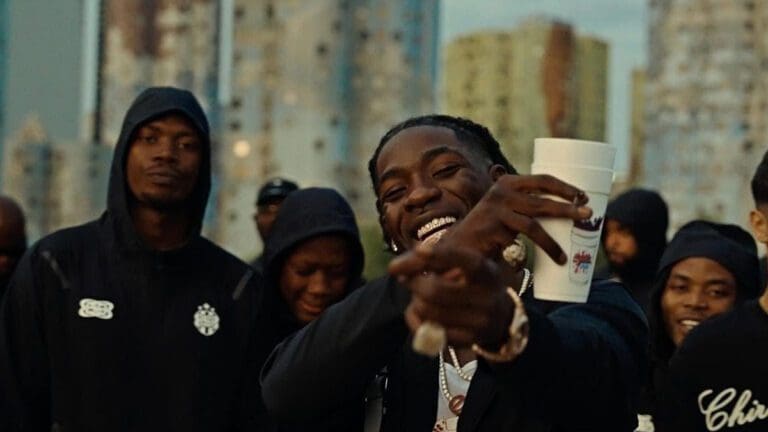
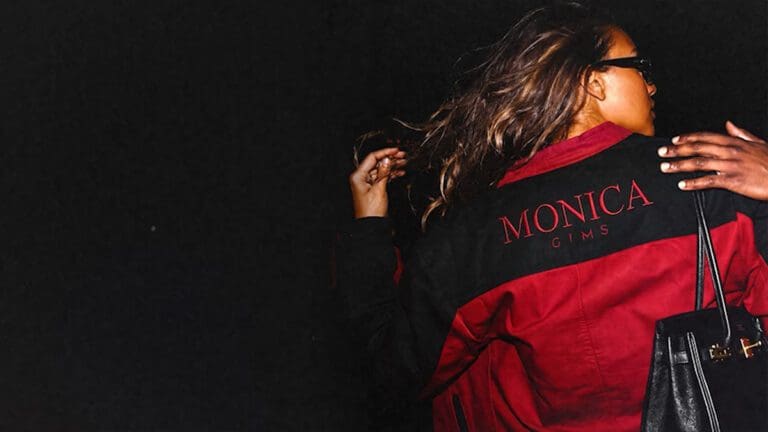


Every summer has its own soundtrack. For decades, the formula for a summer hit was fairly straightforward: a catchy melody, a chorus that everyone could sing along to, and an upbeat production designed to capture the carefree spirit of the holiday season. From Crazy Frog’s “Axel F” to Shakira’s “Hips Don’t Lie”, as well as Mika’s “Relax, Take It Easy” and “Waka Waka”, these songs were primarily rooted in international pop, dance music and Latin influences.

Twenty years later, the landscape has changed dramatically. Almost without anyone noticing, artists from rap, Afrobeats, R&B and Amapiano have become the driving force behind summer playlists. For the past five or six years, France’s biggest summer anthems have almost all come from the urban music scene. More than just a musical evolution, this shift reflects rap’s growing cultural dominance.

The Summer Hit: A Cultural Phenomenon Before the Streaming Era
Long before streaming platforms took over, summer hits were largely shaped by radio stations and television music channels. Programmers carefully selected a handful of songs that captured the spirit of the season, and relentless airplay was often enough to turn them into nationwide hits.
The 2000s provide plenty of examples. In 2005, Crazy Frog dominated the airwaves with “Axel F.” A year later, Shakira and Wyclef Jean delivered one of the decade’s biggest global hits with “Hips Don’t Lie.” They were followed by artists such as Mika, William Baldé, Pitbull, Carly Rae Jepsen, Daft Punk and Robin Schulz, whose songs quickly became staples of every summer playlist.

At the time, French rap was already hugely popular, but it rarely occupied the territory of mainstream summer anthems. The biggest seasonal hits still belonged largely to pop music and electronic dance music.
Streaming Completely Rewrites the Rules
The early 2010s marked a major turning point. CD sales steadily declined as streaming became the dominant way of consuming music. YouTube emerged as the leading platform for younger audiences, while Spotify introduced a new way of discovering songs through curated playlists.
This revolution fundamentally changed listening habits. The boundaries between genres became increasingly blurred. Rap producers began drawing inspiration from house, dancehall, Afrobeats and Latin music, while pop singers embraced collaborations with rappers. Little by little, the summer hit was no longer an exclusively pop phenomenon.
2018: Aya Nakamura Opens a New Chapter
The real turning point arguably came in 2018 with Aya Nakamura. When “Djadja” exploded, the song quickly transcended the boundaries of French rap and R&B. It became a European phenomenon, dominated clubs, flooded social media and served as the soundtrack to summer across much of the continent.
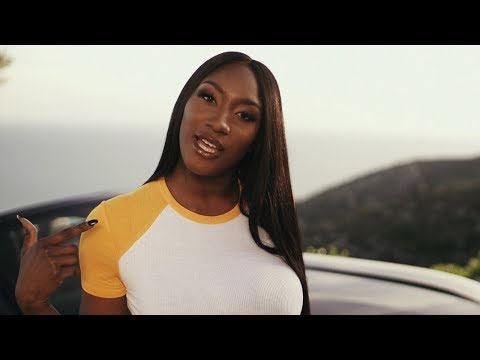
The following year, “Pookie” proved that “Djadja” was no one-off success. Aya Nakamura demonstrated that an artist rooted in urban music could deliver back-to-back summer hits without compromising her artistic identity. Her unique blend of pop, R&B, Afrobeats and rap paved the way for a new generation of artists who would follow in her footsteps.
Rap Learns That It Can Make People Dance Too
For years, part of the French rap scene viewed overly melodic or dance-oriented records with a certain amount of suspicion. That mindset has now become a thing of the past.
A new generation of artists grew up listening not only to Booba, Ninho and Jul, but also to Drake, Burna Boy and Wizkid. Those diverse influences have fundamentally changed the way rap music is produced.

The results have been impossible to ignore over the past several years. In 2020, “Bande Organisée” brought together Jul, SCH, Kofs, Naps, Soso Maness, Elams, Solda and Houari on an instantly infectious production. A year later, Naps turned “La Kiffance” into France’s ultimate summer anthem. Since then, songs such as Soolking’s “Suavemente”, “Casanova” featuring Gazo, Carbonne’s “Imagine” and GIMS’ “Appelle ta copine” have continued to dominate the season.
For the past five or six years, France’s biggest summer hits have almost all spoken the language of urban music.
Afrobeats Has Reshaped the Sound of French Rap
The revolution is not limited to the artists themselves. It has also transformed the very sound of French rap.
Afrobeats, popularised around the world by artists such as Wizkid, Burna Boy, Davido and Tems, has become one of the biggest influences on French music production.
Rhythms have become lighter, percussion plays a much more prominent role, basslines feel warmer and melodies have taken centre stage. Even when a record remains unmistakably rooted in rap, it is now often designed to make people dance.

To those African influences have been added Caribbean and Latin sounds, while South African Amapiano has recently enjoyed a meteoric rise within French productions. Together, these styles have created a new musical identity that perfectly matches the atmosphere of summer.
TikTok Has Accelerated the Trend
Social media has also played a decisive role in this transformation.
In the past, a summer hit first had to win over radio programmers before reaching the general public. Today, a fifteen-second clip on TikTok can be enough to send a song straight to the top of the charts.
This new ecosystem naturally favours melodic productions, instantly memorable choruses and catchy hooks that can be reused in millions of videos. Rap, which has long mastered the art of punchlines and unforgettable refrains, has adapted perfectly to this new way of consuming music.
Rap Has Become the New Face of French Pop
The biggest transformation may not be musical at all—it may be cultural.
Rap no longer dominates streaming charts alone. It now shapes fashion, everyday language, social media trends, music festivals and, naturally, the biggest songs of the summer.
Once viewed as a niche genre, urban music has become France’s primary hit-making machine. Rappers and artists from the urban scene no longer need to distance themselves from their identity to appeal to mainstream audiences. On the contrary, it is now the mainstream that embraces their sound, their aesthetics and their cultural codes.
This shift reflects a broader change in French popular culture. Urban music has evolved from an alternative movement into the country’s dominant musical force. The biggest stars, the most-streamed songs and the most influential trends now overwhelmingly come from the rap and Afro-urban scenes.
Summer Now Speaks the Language of Urban Music
The summer hit has not disappeared. It has simply evolved.
While the 2000s were largely defined by international pop, dance music and Latin hits, the 2020s belong to Afro-urban artists. Aya Nakamura, Jul, Naps, Soolking, Carbonne and GIMS perfectly illustrate this new era, where rap seamlessly blends with Afrobeats, Amapiano, R&B and melodic pop.
In just a few years, rap has become far more than France’s most popular musical genre. It has become the country’s new pop music, capable of bringing together audiences of every generation while setting its own artistic standards instead of following those of traditional mainstream pop.
France’s summer soundtrack now has a new identity. More than ever before, it speaks the language of rap, Afrobeats and urban music—and judging by current trends, that dominance is only just beginning.