DIDIER DAARWIN, THE BOSS OF MARSEILLE’S HIP-HOP CINEMA
Didier D. Daarwin has brilliantly worked alongside the legends of Marseille rap — and beyond: IAM, Fonky Family, Soprano, Psy 4 de la Rime, Carpe Diem, 3ème Œil, Alonzo, Oxmo Puccino, Soolking, and more.…
 Written byTonio Writer — Urban Cultures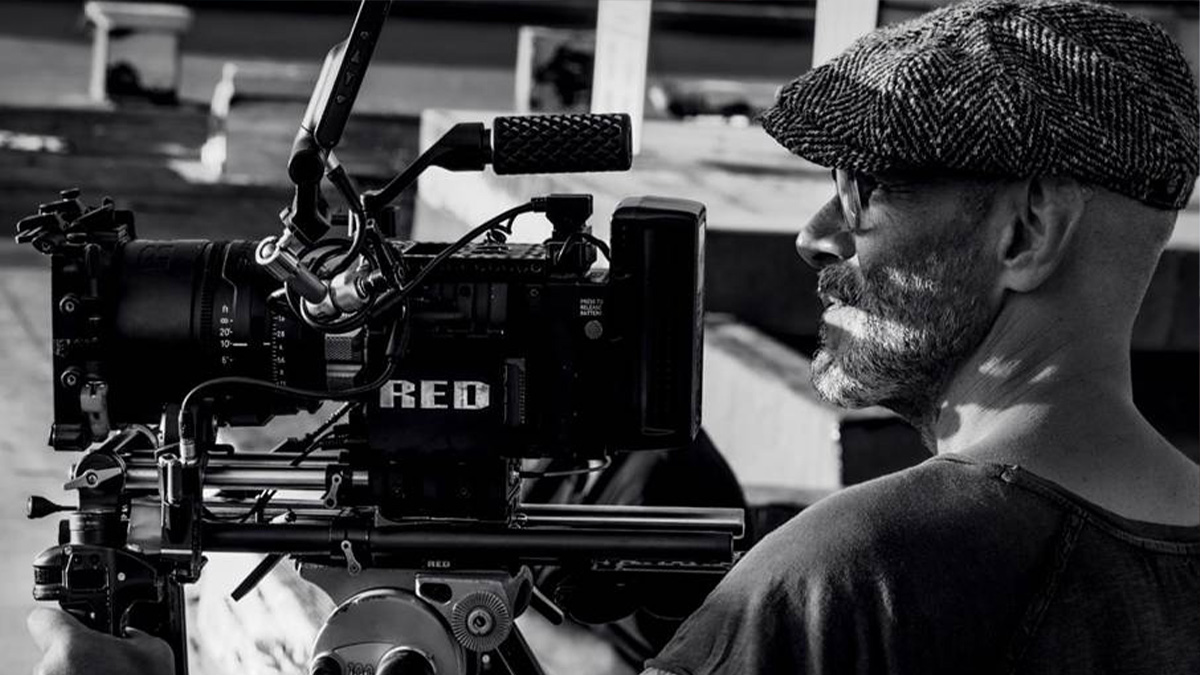
Dans cet article
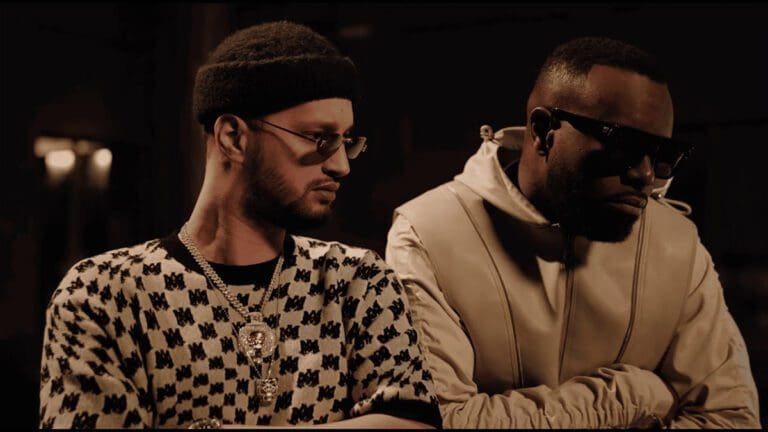
Didier D. Daarwin has brilliantly worked alongside the legends of Marseille rap — and beyond: IAM, Fonky Family, Soprano, Psy 4 de la Rime, Carpe Diem, 3ème Œil, Alonzo, Oxmo Puccino, Soolking, and more. Meticulously crafted music videos, iconic album covers, raw, on-the-ground documentaries. A passionate, self-taught jack-of-all-trades, he has shaped the visual legacy of nearly thirty years of Marseille rap discography. He has just released his first feature film, “Mastemah”, a gothic thriller that stands in stark contrast to his “street” image.
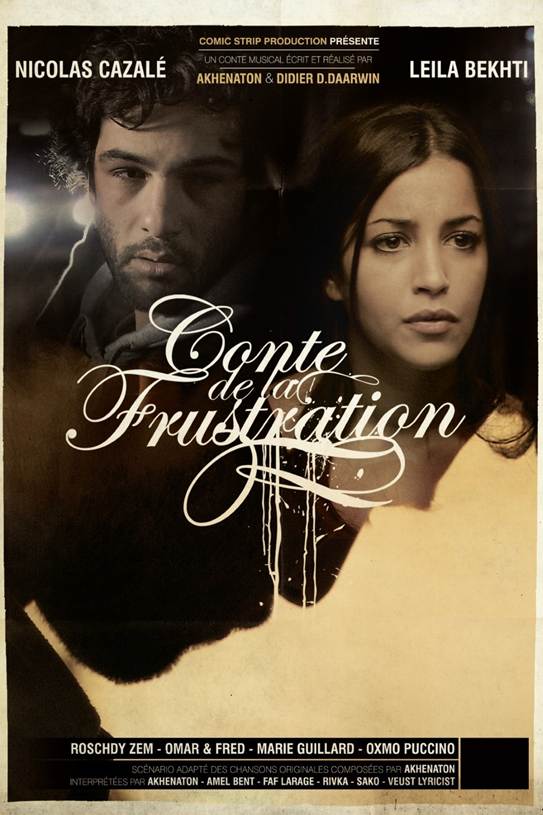
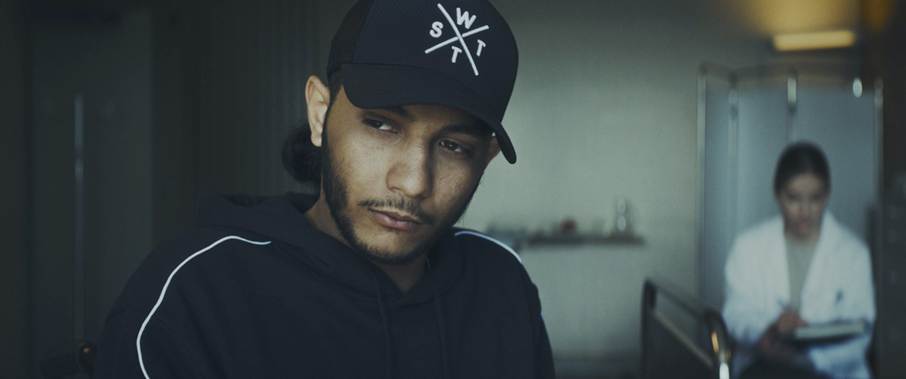
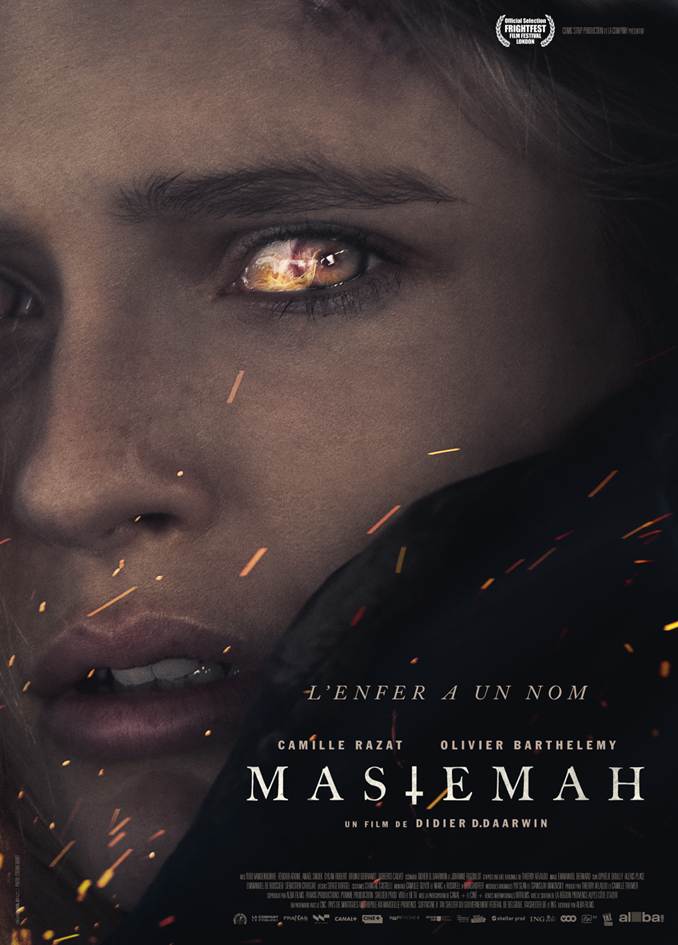
With close to 200 music videos to his name, Didier D. Daarwin is relentlessly prolific. He makes a living directing videos, designing album covers, producing ads, leading workshops — and in between all that, he makes films. After co-directing the TV movie “Conte de la Frustration” with Akhenaton in 2010, featuring a top-tier cast including Leïla Bekhti, Nicolas Cazalé, Omar and Fred, and Roschdy Zem, he went on to direct his first solo feature film, “Mastemah”, in 2022. A horror drama with a standout cast: Camille Razat (Emily in Paris), Olivier Barthélémy (Sheitan, Mesrine…), Dylan Robert (Shéhérazade), and Feodor Atkine (La French). It was the perfect opportunity for him to establish himself as a filmmaker and spread his wings in cinema. This interview shines a light on one of Marseille’s great creative talents — a discreet figure who feels more comfortable speaking from behind a camera, and who here opens up about his unusual path, his passions, and a few of his well-kept secrets.

You’ve just released your first feature film, “Mastemah,” in theaters. Before that, you had already built a long career directing music videos for Marseille rap, right?
Yeah, I think I’ve made around 200 videos… maybe more.
Where did you grow up?
On the outskirts of Marseille, in Carnoux-en-Provence, between Aubagne and Cassis, in what was, in the 1960s, a village of repatriates from North Africa. My father is from Algiers, my mother from Marrakech. My grandfather was born in Cairo, and my great-grandfather in Constantinople. I’m the first person in my family to be born in France — and in the South, no less.
Egypt — that’s incredible!
Yeah, my grandfather was an architect.
So it was written that you’d cross paths with IAM!
I guess so. My great-grandfather was a landscape architect. They worked for the British. French Moroccans had planned to settle in the South of France in case things went badly during the decolonization years. To me, there’s no real difference between Casablanca, Naples, and Marseille — but there is one with Lyon, for instance. (laughs) We’re a nation of our own, you know. The Mediterranean basin is home to us. The rest is France. It’s something else entirely.
What was your childhood like?
I was growing up in a village where there was nothing — just a valley.
There were 600 of us. All those repatriates built houses like the ones back home. Carnoux is full of flat-roofed houses, like in Morocco. My grandfather helped build it. My mother was studying literature in Aix-en-Provence. There was no way of getting out of that place.
So more of an intellectual environment?
My mother taught French and geography-history. My father worked as a sales executive in carpentry. As a kid, apart from books, comics, and my grandfather’s ink drawings — he drafted plans by hand — there wasn’t much around. So I had to invent things for myself, make up stories to escape. I’ve loved literature since I was very young. Drawing, photography, cinema too, from an early age.
What did you want to do for a living?
Rock ’n’ roll! (laughs) Music, first and foremost. It wasn’t really present at home. I couldn’t find anything I wanted to listen to, and then around 13 or 14, I got hit by punk. Around ’79 or ’80, you know. Once that hit me, then in ’81 I heard Joy Division — post-punk, cold wave — I saw that incredibly minimalist sleeve by Peter Saville, bought it, heard those first bass lines by Peter Hook, and thought: that’s it. That’s my instrument. That’s my medium.

Did you start dressing like them too?
Yeah — no more bowl cuts from your mother. (laughs) I went to see my grandfather, who always trusted my choices — unlike my parents. Back then, if you said, “I want to study drawing or cinema,” people would tell you, “Come on, go learn management.” (I can’t count, by the way.) So my grandfather took me down to Marseille, to Castellane, to Scotto Music, and bought me my first bass. I didn’t know how to play. But what I took from punk was this: forget the schools, forget the guys obsessing over technique. I was bored stiff by Pink Floyd and Genesis, by all that guitar-hero stuff. I wanted guys spitting in your face, playing two lousy chords, but bringing pure energy. I quickly put a band together. We played like butchers, but at the 1982 Fête de la Musique, something happened.
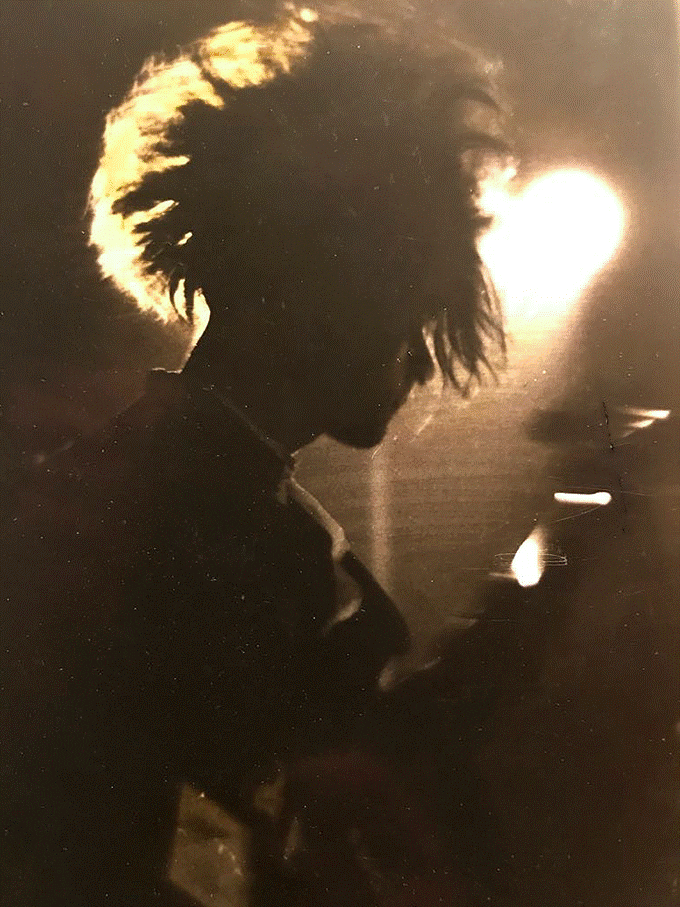
We had gone from the Giscard years into a whole new era. New Wave wasn’t called that for nothing. Very quickly there were concerts in Aubagne, in Marseille, press articles — it was all bubbling. Marseille had a real Cold Wave scene. I could name a dozen records that came out of that city or the region: Leda Atomica, Martin Dupont, Avant Post, Nadja, Movement, Opéra de Nuit, Formes Nouvelles, Vision Baroque… So we played and played, and that’s all I did, along with hosting a late-night radio show on the FM dial called “Brouillard Définitif”…
So you did get your high school diploma in the end?
Oh yes, still. After two sophomore years and three junior years. I only went to school to hang out in the rehearsal room at Joliot Curie in Aubagne. My parents wanted me to study management, get a business diploma… that was a “real job.”
But all I wanted was to play music. After another pointless school year, my parents, worn down, finally asked what I actually wanted to study. I said, “Fine Arts.” Back then it was called A3. So I changed schools and went to Saint Joseph les Maristes, and things got better. There were languages, almost no maths, and I got to study art history and drawing. And that’s how I finally got my diploma.
So you started drawing?
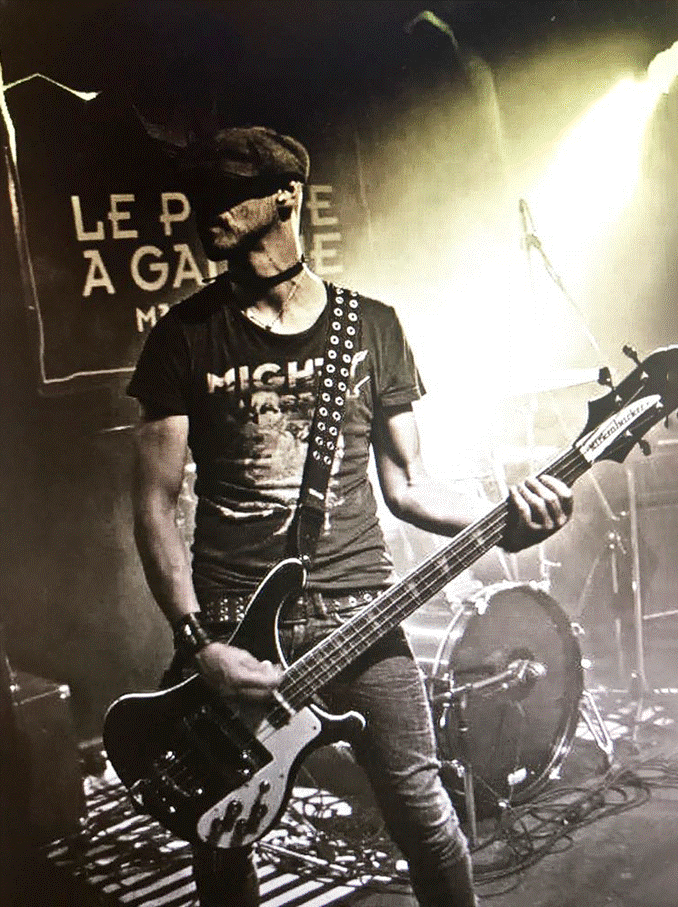
Yeah. I was still deeply into music with different bands, but there are real connections there. Music is images, and strangely enough, images inspire sound. It’s all the same thing, really. I drew, took photographs, made posters for my bands, designed their logos. Our bands kept changing names: Maldoror, Lohengrin, Mankin Boys, Sex, sex sex und sex, Les Enfants de Chœur, Les Fauteurs de Troubles, Les Sixterciens, Janus Face… Depending on the band, I was on bass, vocals, singing in English or French — or just playing bass, like with Without Sense back then.
Even today, I still play bass or strum something every single day.
Did you want to make a career in music?
No, I just wanted to play. After high school, I went into a two-year art history program in Aix. But it was completely useless. Then I took a cinema option, and that was great — you studied films, analyzed them. There was no practical work, but I found it interesting. I kept making music, and my parents were tightening the screws: “Listen, you need to do something or you’re out.” Then I found out there was a new BTS program in graphic design, photography, and video opening in Castellane. At least there, I’d get some hands-on experience. I was already paying close attention to the sleeves and artwork of Joy Division, New Order, Orchestre Rouge, Factory Records, and 4AD, and designing our own for the band. I quickly became friends with someone in my class named Stéphan Muntaner, a true natural genius when it came to graphic design, drawing, painting, and photography — an absolute beast. Nineteen years old, already a killer. We were called Pipo and Zinzin. We basically lived in the school’s photography studio.
I earned my diploma partly with the graphic identity of one of my bands. I shot two weird, gothic Super 8 videos. I put together my portfolio. I was drifting more and more toward photography and directing. I wanted to apply to La Fémis (France’s top public film school in Paris). I was devouring films.
So you wanted to become a film director?
Yeah, it felt like the culmination of everything I’d been doing. I loved the films of Leos Carax, Godard, Carné, Renoir, Garrel, Assayas.
I could see myself in that. I told my parents, “I’m moving to Paris and taking the entrance exam for La Fémis.” I got brutally rejected. Just dismissed. What are you supposed to do in Marseille in the ’80s if you want to work in graphic design or cinema? There was nothing. Around that time, near my school, an advertising agency called Sun Expansion opened in Marseille, at 444 rue du Paradis. They reached out to our school for a communications competition. Stéphan Muntaner and I were selected in 1989. Suddenly, there we were, aged 19 and 23, working in a huge agency with around a hundred employees, run by Gérard Gineste, an old-school genius in the spirit of Jacques Séguéla. They had a single computer that nobody had ever even switched on. Stéphan and I started using it because we’d worked on the same one at school. All the art directors and graphic designers just stood there watching us like, “Damn…” And then — flashback — years earlier, at a Maldoror concert, in some sort of radio contest, where we were playing rock and post-punk alongside pro bands, we met this manager with a flat-top haircut, a Hawaiian shirt, and ’50s glasses like Elvis Costello. He said, “Damn guys, what you’re doing is really good. I’m a manager, my name’s Alain Castagnola, I’d love to work with you.” And in true punk logic, I thought, “Not in a million years.” So eight years later, I walk into Sun Expansion with Stéphan — and there is Alain Castagnola. “What are you doing here?” Alain was friends with the agency’s director, Dominique Campillo. Outside the agency, they also had a small production company, Avalanche Production, where they were signing local artists: Leda Atomica, Massilia Sound System, and IAM. Back then, nobody knew them yet.
Were you listening to rap at all back then, or not really?
Yes — as early as 1986, I was into American rap, like Run-D.M.C. I could feel that something was happening. After punk, we had lost a certain kind of energy, and rap brought it back. The music industry hates a vacuum: anything wild and free eventually gets brought into line and smoothed out. It all gets sanitized. You come from post-punk and cold wave, and suddenly that turns into a polished New Wave, and then into cheerful pop. So when Castagnola asked us to think about the visual identity of one of the rap groups they were managing — IAM — saying, “This should speak to young people,” we said okay. Then we walk into the big conference room at Sun Expansion. I had hair down to here, leather pants, and Stéphan looked like a teddy boy. And across from us was this crew of Zulus dressed in all these bright colors. We probably both thought the same thing: Whoa… this is going to be complicated, we’re not going to understand each other. But after five minutes of IAM clowning us — “Hey Duguesclin!” — we were laughing, talking, and very quickly Philippe (Akhenaton) and I realized we were interested in the same things. Just a bunch of friends and passionate people, really.
What had they done at that point?
Well, there had already been Philippe’s whole journey from the B-Boys Stance days, but they hadn’t yet released IAM Concept. That was still to come, I think. So they asked us to come up with visuals. Stéphan Muntaner, this visionary, immediately designed the IAM logo. It was a perfect fit. Stéphan and I graduated. IAM signed to Virgin. Then we were asked to design the cover for their album. But I moved to Paris. I went around agencies — the picturesque Marseille graphic designer. I worked at RSCG, spent my days doing illustrations for Banette and photo advertising for Alcatel. I also went to GMT, a TV production company, and showed them my portfolio. Fifteen days later, they called me back to work as a still photographer on French TV series.
Still with the idea of directing films in Paris?
Yes, the idea was to learn on the job. I was offered the chance to work on Bertrand Tavernier’s film “La Guerre sans nom”, with Patrick Rotman, a documentary about the Algerian War — that spoke to me. I took stills, they liked them. Tavernier invited me to come and watch the editing, which was still done on film. You meet people that way. I didn’t know how I was going to get in, but I knew I’d find a way. A production manager then offered me a job as assistant sound effects editor on Rachid Bouchareb’s film “Cheb”; we worked on the foley. Then someone offered me production work on Quick commercials. Bit by bit, I started getting into it and learning by doing. I became an assistant director on commercials shot on film. I was happy. I was starting to make a living.
Then Stéphan called me in ’91 or ’92. He had already made an unsuccessful attempt at designing the first cover for IAM’s album “…De la planète Mars”. IAM loved what he had done, but the label had only kept the logo.
To avoid any tension with the label over the visuals for their next record, Chill invited us to rue Pastoret in Cours Julien, where they explained what they wanted to do. We thought it over, and Stéphan started talking about archaeology, about discovering a lost civilization. So we came up with this concept built around their logo and an IAM temple unearthed at an archaeological site from the time when Marseille was still attached to Africa. We made a clay model with our faces on it. “That’s crazy! Okay, but we want red eyes!” And that’s how we launched into the cover for their double album “Ombre est Lumière.”
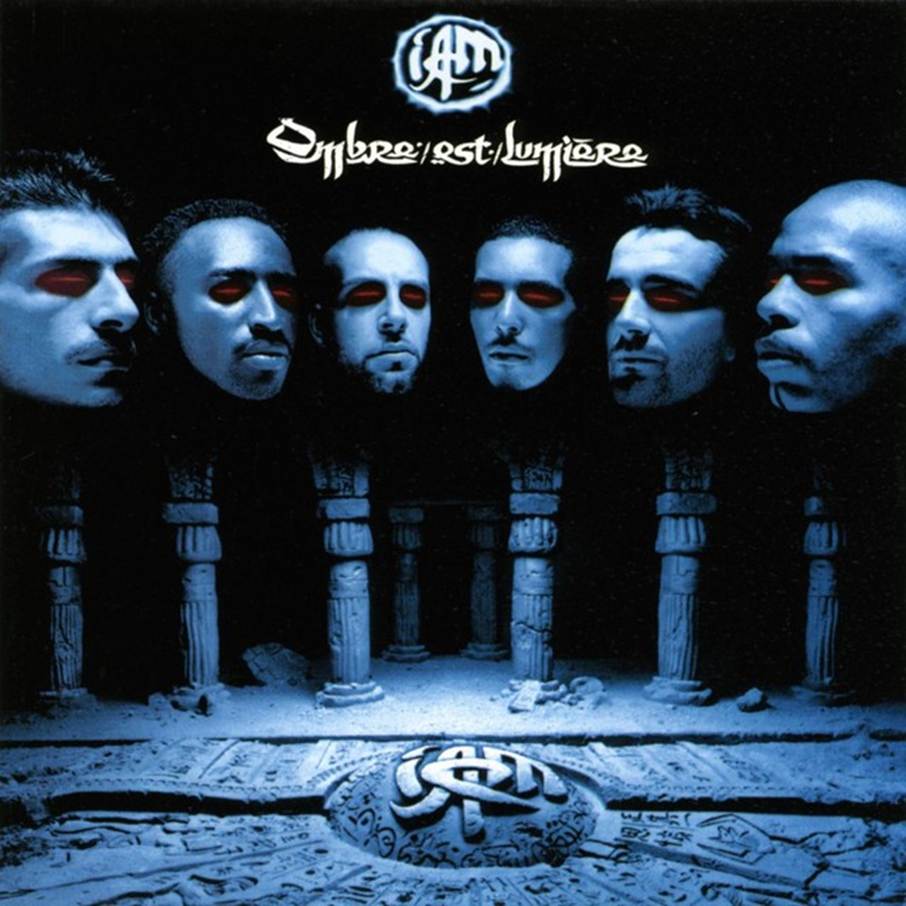
We spent ten days in the studio with them in New York during the mixing sessions to really soak in the atmosphere and shoot the cover photos. The album came out, it worked, and from there we rediscovered that whole Do It Yourself spirit, all the madness of punk — so it clicked. Very quickly we started doing the communication for the newly opened Trolleybus club, for Roland Petit’s ballets, and before long we were doing all sorts of things here. But I was still thinking about cinema. I wanted to shoot films. Then one day, Stéphan said to me, “Listen, I’m working in Barcelona, you’re in Paris — why don’t we do it from home?” I said, “But what do you want us to do in Marseille?” And he replied, “Why do everything somewhere else for other people?” There was nothing for culture in Marseille in the ’80s and ’90s. It was dead calm. We were constantly going up to Paris for exhibitions, concerts, and films.
When rap exploded in Marseille in the late ’80s, it happened on a field of ruins, didn’t it?
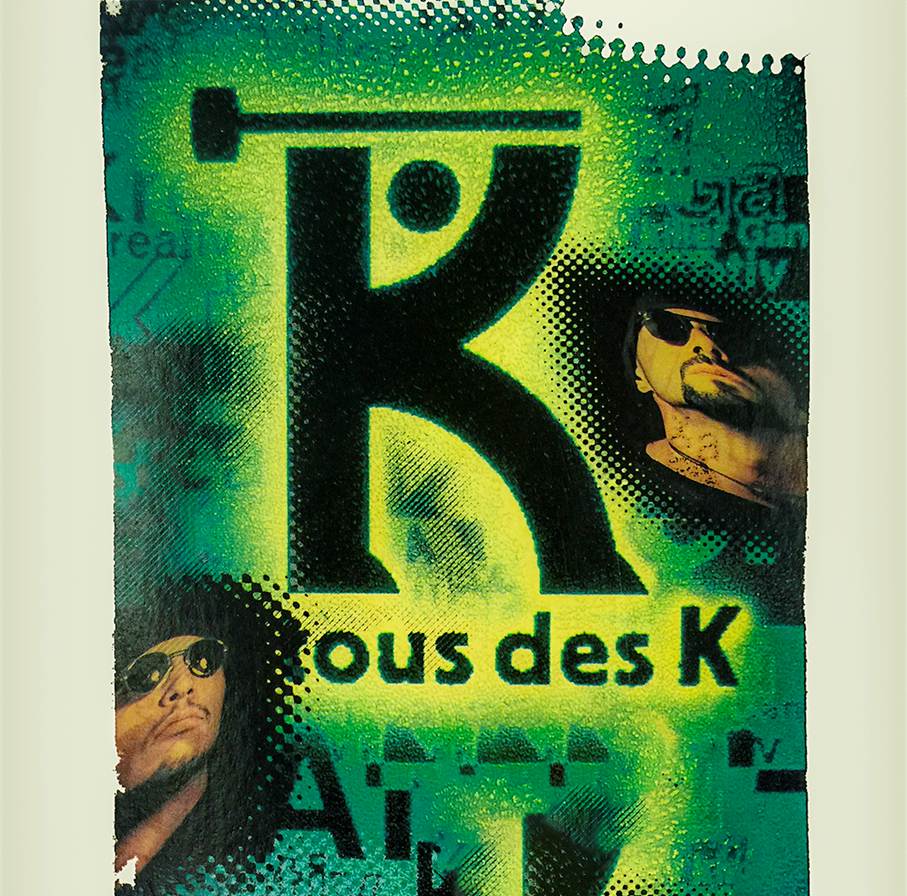
There was nothing. And all of a sudden, what we were living on the image side — on a much smaller scale — IAM was doing musically. Something could happen from where we were. Overnight, I called my landlady in Paris, gave up my apartment on rue Marcadet in the 18th, took the risk. I picked up my bass and my portfolio and left everything behind. We were starting from zero again. We set up our own company, Tous des K, in Marseille.
Things happened very quickly because there really was momentum. Thanks to IAM and many others, we became part of the Marseille “moovida.” Suddenly there were articles everywhere, TV appearances. People from Paris were calling us to work with them. We worked with Tonton David, Cheb Mami, and plenty of other artists. Then we got the most surreal phone call from a certain director named Mathieu Kassovitz, who had made “Métisse”, asking us to come up with poster mockups for his new film, “La Haine.” Philippe Découflé, of whom I’m a huge fan, asked us to create the graphic identity for his company. From 1993 to 1996, it was unbelievable. So we did a lot — a lot — of things.
So you also did the visuals for “L’École du micro d’argent”?
Yes, we did all the artwork. We worked on Akhenaton’s solo record, Shurik’n, Freeman, Kheops, Faf Larage, and so on — covers, photos, everything. We got along really well and understood each other perfectly.

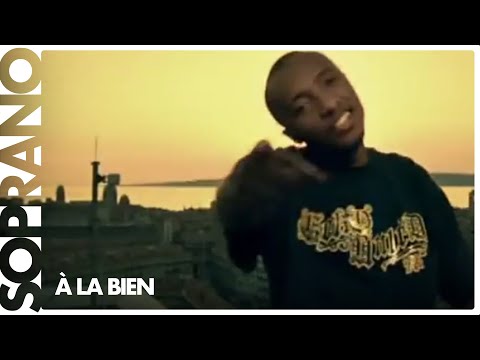
Then we went on to do all the other covers that followed: Fonky Family, 3ème Œil, and later Psy 4 de la Rime, Soprano, Alérgino, Chiens de Paille, even Jul’s first one. Everyone, basically. Marseille hip-hop was becoming properly structured. And at that point, there was a real push toward production independence.
You also designed film posters?
Yes (smiles) — for “Comme un aimant” by Akhenaton and Kamel Saleh, “Taxi 1,” “Taxi 2,” “Taxi 3,” and “Freestyle” by Caroline Chomienne.
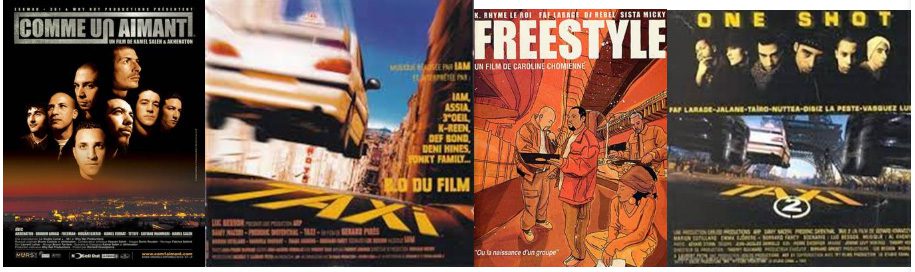
How did you experience the release of “Comme un aimant”?
It hit me hard when I saw that film. It contains the essence of Marseille and of that period. Kamel was Philippe’s friend from the film world, someone who wanted to make cinema. The first time I saw it was in the editing room in Marseille. That ability to surround yourself with the right people — that was so intelligent. I still bitterly regret not having been able to be more involved in that incredible adventure.
So what was your first music video?
Akhenaton set up his publishing company, La Cosca, managed by his wife Aïcha. It started with Chiens de Paille and their first album — I had done the cover. Aïcha asked me to make a video with basically no budget. I did it with the energy of desperation: shot on Hi8, edited with split screens, that kind of thing. And Aïcha was thrilled. “Look at what you can do with no budget. Look at what others do with a million and a half.” The group saw it and went, “Damn, seriously?” There was another possible path. The record industry was changing, budgets were collapsing. We could stop letting labels treat us like idiots and handle things ourselves. Just like that, Chill told me, “Well, the next IAM video is ‘Stratégie d’un pion,’ from the next album — I’d really like you to do it.”

After that, I just kept going. Aïcha had signed Psy 4 de la Rime, I carried on with IAM, and after that I never stopped. “Une autre brique dans le mur,” “Ça vient de la rue.” I was having a blast. We were shooting on film. I think that since “Stratégie d’un pion”, apart from “Noble Art,” which was a 3D animated video, I’ve directed all of IAM’s videos.

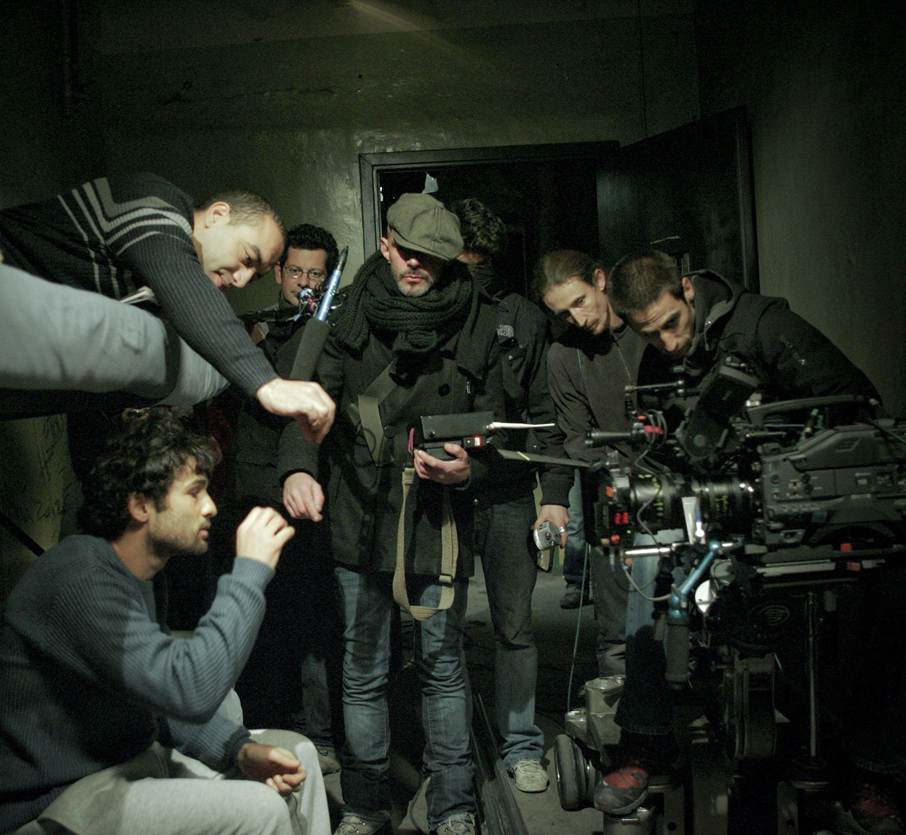
And I do it like we’re at home. Small crews. Shot on instinct. We don’t worship the camera — I shake it, I bang it around. It almost became a signature. I’m not afraid of the camera. It’s a tool, like the tools inside a computer. It’s an extension of a vision, and you mustn’t be afraid to shake things up. On the video for “Une autre brique,” the camera was literally getting punched to make it vibrate. Shurik’n and the guys were giving so much in krump, the camera had to move and live just as much as they did. I pick up a camera and I’m looking for accidents. It feels like holding a camera the way I play bass: when the kick drum hits, I go for it. The camera becomes my instrument. You’ve got to be in rhythm with the dancers and the rappers.

So at that point, were you also developing feature film scripts? Pitching production companies?
We’d been working non-stop for years. And I’m actually a pretty reserved person — I’ve never been someone who goes out pitching myself. One ad or one video leads to another. I’m incapable of just approaching people. Even at my earliest concerts, I used to play bass with my back to the audience. (laughs)
You co-directed the 2009 TV film “Conte de la frustration” with Akhenaton. How did that happen?
Yes. Philippe (Akhenaton) was making a solo album, “Soldat de Fortune,” and there was supposed to be a double album. In the end, only one came out, and he played me the other one. It was a UFO of an album that never got released. When you listen to it, it feels like you’re living 24 hours with one man, if you line the tracks up. So we launched ourselves into this crazy idea of taking that as a “base,” and I filled in the gaps with fiction. That then gave Chill ideas for new songs. Together, we built a script around the songs on the album and told a story that way. It became a film soundtrack project for French television, “Conte de la frustration,” somewhere between film and music. Chill and I understand each other very well. We co-directed it: he was more focused on directing actors, I was more on staging and image. It had a modest budget and a superb cast: Roschdy Zem, Leïla Bekhti, Nicolas Cazalé, Omar Sy, Fred Testot, Oxmo. It all went really well.
I started getting approached by Parisian producers, but I was afraid of being boxed in as a “hip-hop director.” I didn’t want to trap myself or make the same thing twice.

Which is how the idea for Mastemah, a gothic horror film, came about?
No, actually, I was developing a project about the Beast of Gévaudan. I was doing research, and then “Brotherhood of the Wolf” by Christopher Gans came out. So that was that — no point going there anymore. But that region is incredibly telluric, the forests, the atmosphere… it’s inspiring. I bought a guest house in Aubrac from Catherine Painvin of Tartine et Chocolat, with my partner at the time. A tiny village. An incredible 1,400-square-meter 19th-century house. Brewery, restaurant — and it was a hit. Johnny Depp, Zidane, Adjani, and many others stayed there. We looked after them. All of showbiz came there to recharge.
That’s incredible!
Yeah. Life was good. We did that for more than five years, alongside my work as a graphic designer and director. I was going mad. Then producer Thierry Afflalou, who had produced “Conte de la frustration,” came one weekend. He had this major anxiety attack there, visions, couldn’t sleep. For some people, the landscape disturbs them. He found it deeply unsettling and said to me: “I had a waking nightmare. I wrote down notes. It’s your region, I know you love horror films, and I’d like you to write me a film about the relationship between the devil and psychiatry.” So I dropped the Gévaudan project and focused on that instead. And the writing process lasted nine years. Seventeen drafts. In the end, Camille Trumer, formerly of StudioCanal, got involved and had it read at Canal+, who were looking for genre films.
So you were already deeply into horror films?
Oh yes, absolutely. I’m a huge fan of genre cinema. Romero, Argento — I’m obsessed with possession films, spirit films, werewolf films. Since I was a kid, that’s the kind of cinema I’ve wanted to see on the big screen. And then I signed with Canal+ at 54 — finally, someone handed me the keys to a first proper feature film with a real theatrical budget. The first time I saw the Canal+ logo in a movie theater, I cried and had to step outside. Really — it was a teenage thing. You’re in Marseille in the ’80s… Canal had just started, so it meant something to me.
The film opens with an incredible scene.
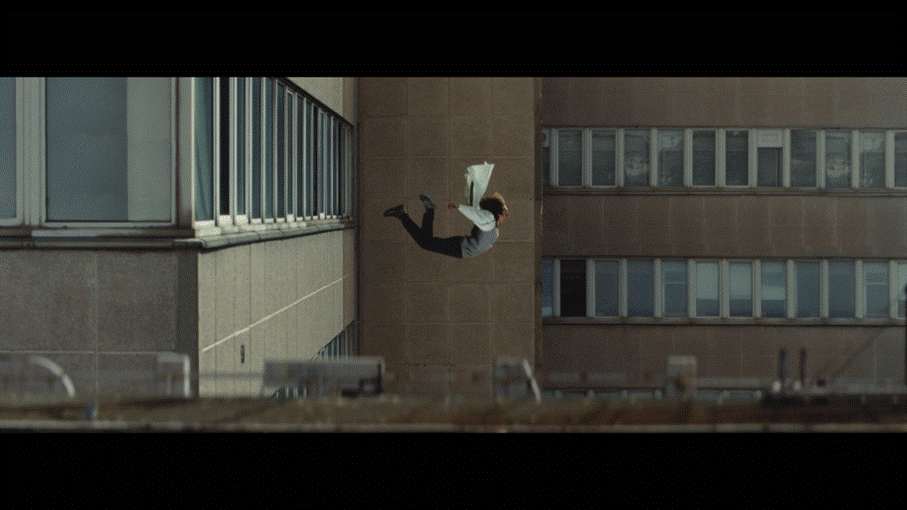
I wanted to open the film in a way that would grab people and never let go. A young man throws himself out of a window. The film begins with a shock, with a mystery. We used a green screen. He falls like an angel in slow motion. I designed the entire scene myself using Photoshop, drone footage, 3D, and green screens. It’s Marseille — the school of making do — so I had to build that sequence myself, because I know my way around digital tools and because we didn’t have a huge budget.
Very strong casting.
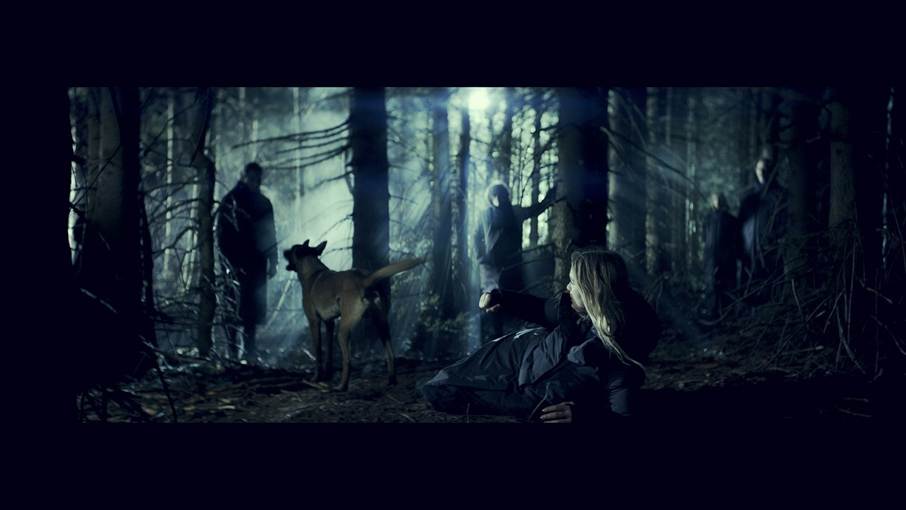
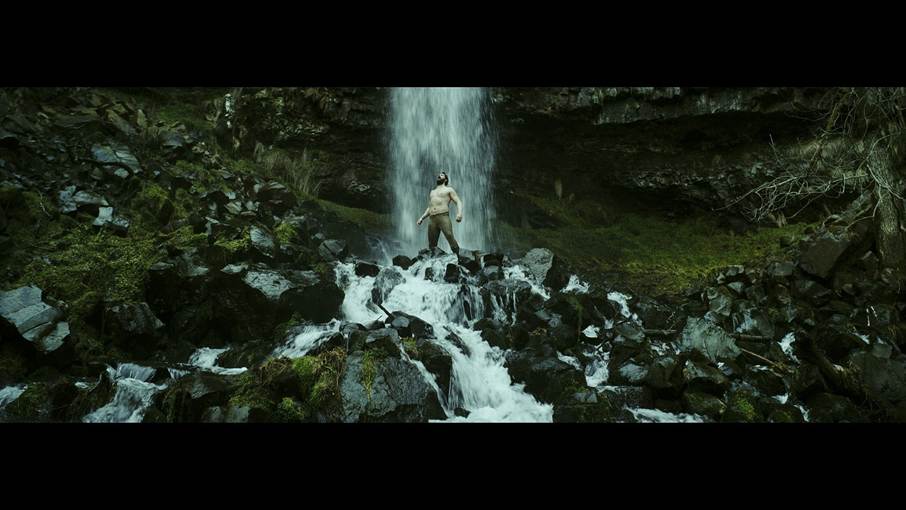
Olivier Barthélémy loved the project from the start. Camille Razat is in Emily in Paris. She has huge potential. It was bitterly cold. We were shooting in winter, at night. They really suffered. Below minus 15. She plays a rational psychiatrist who suspects her patient may be the devil. She threw herself into it completely. Olivier had to be naked in the waterfall scene; the drops of water felt like needles. I had a 104-degree fever, and I stepped into the water myself to show him. I didn’t have a fever afterwards. (laughs)
The film is stylistically very surprising compared to your work as a hip-hop video director. People wouldn’t necessarily expect you to go there. Don’t you want to write a story set in your urban world?
“Mastemah” is my second calling card in feature filmmaking. When I make something, I already see the images in my head. My writing is visual. For now, city-project housing atmospheres are too close to my photo-video-graphic work. One day I’d love to make a film about Marseille, but I still don’t have enough distance from it. It reminds me too much of work. Maybe I dream of co-writing something new with Akhenaton again — we’ll see. There’s also a musical biopic project in the works that would naturally head in that direction.
What do you think of films about Marseille?
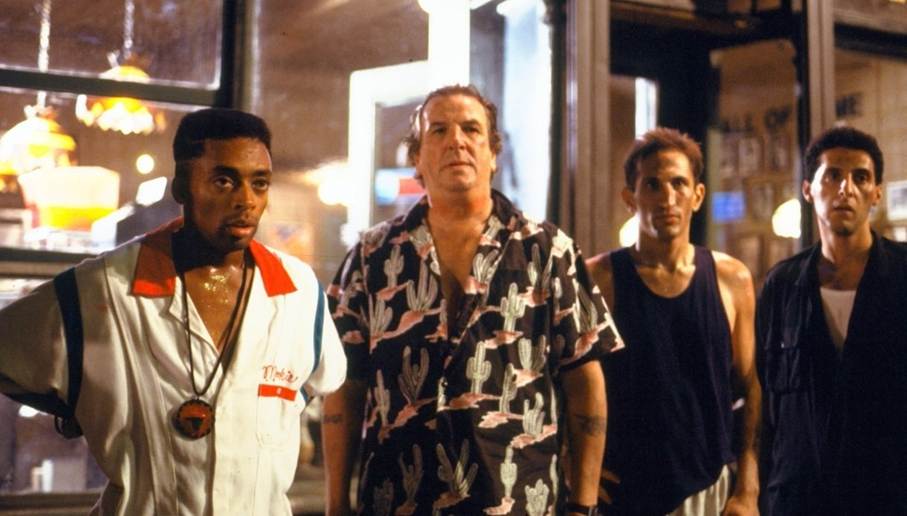
Well, there’s Cédric Jimenez, whether people admit it or not. “La French” is more complicated, but formally, in terms of staging, “Bac Nord” and “November” show that the guy really knows what he’s doing. But “Bac Nord” is in the same line as “Athena” by Romain Gavras. “Athena” goes even further. My fear, unfortunately, is that these films end up feeding people and ideas and clichés we’ve been fighting for years, and that irritates me. I think if you’re going to depict the projects, you have to be fair. Right now, I teach in Marseille at Académie Moovida (an organization that trains young people from working-class neighborhoods in film), and I don’t see big-time dealers waving guns in my face. I see incredibly kind people with insane humor. (I already knew that from spending 30 years around rap.) Sure, they’re not exactly punctual — CFA time, let’s say — but they’ve got ideas, open-mindedness, and a hunger to learn. It’s a joy. Then you see some of the other schools where I teach in Aix, where kids are paying €8,000 a year, and you’ve got a few little idiots who understand nothing but think they know better than you. They’ve already got more equipment than you had at their age, and just because they’ve got the gear, the Mac, the Blackmagic, they’ll go, “Come on, you know what? I’ve already made feature films.” Fine, keep making your feature films… Let the camera roll for eight hours and yes, you’ll make a very long film — but nothing will happen, neither on screen nor underneath it. It tells you nothing. Honestly, I swear, they drive you crazy. And then you’ve got these kids from the neighborhoods, with nothing, sometimes working on the side or not working at all, and you can tell they’ve had to chew gravel. But they’re there, trying, writing from their own lives. It’s complex. But unfortunately, the industry would rather finance films that show evil Arab guys getting burned in cars and dealing drugs. That’s why it’s such a touchy issue. What we need is a real Spike Lee. He managed to bring something other than clichés.
Thankfully, there are still films that manage to portray Marseille from the inside, with real sensitivity.
Yes. In the neighborhoods, there’s so much talent. At Moovida, the guys are funny, inventive, they’re ten moves ahead of everyone else. They’ve got resourcefulness, real intelligence. They have to — it’s a survival thing. For example, I really love Hafsia Herzi — what intelligence. She betrays nothing. And with “Bonne Mère,” you don’t think, “this is a neighborhood film.” No, it’s just a real film. I love her.
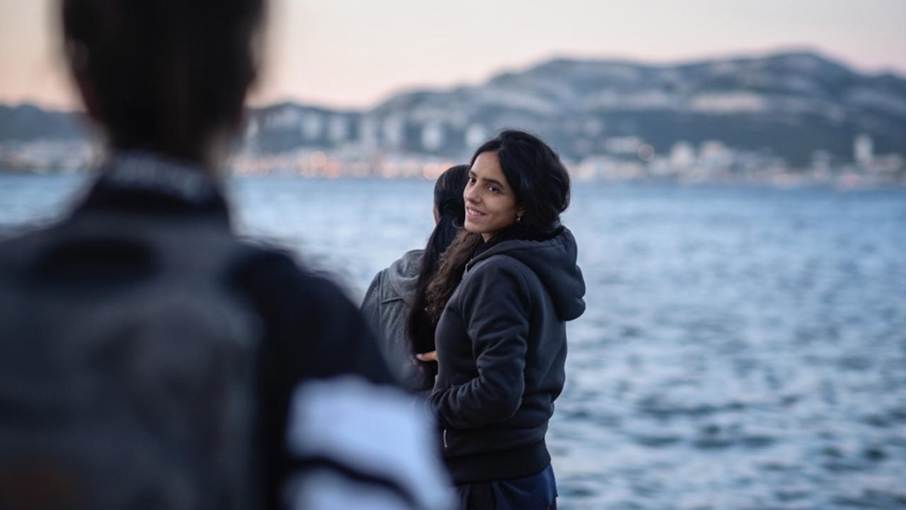
Let’s make French films worthy of the name. “Shéhérazade” by Jean-Bernard Marlin is a knockout, and “Bonne Mère” by Hafsia Herzi too. Stéphane Barbato, who’s from Marseille, has incredible talent. He comes from advertising, he’s made some superb shorts, and he needs to move into features. Soso Maness has done a series and is preparing a feature with SCH. I met him — he’s brilliant. Soso’s great too. There are a lot of web series about Marseille.
I’ve got the project of my life in mind about Marseille, centered around IAM, whom I’ve been around for 30 years. I still don’t know what form it will take, but it will be a chance to show something other than guys shooting at each other and dealing drugs.
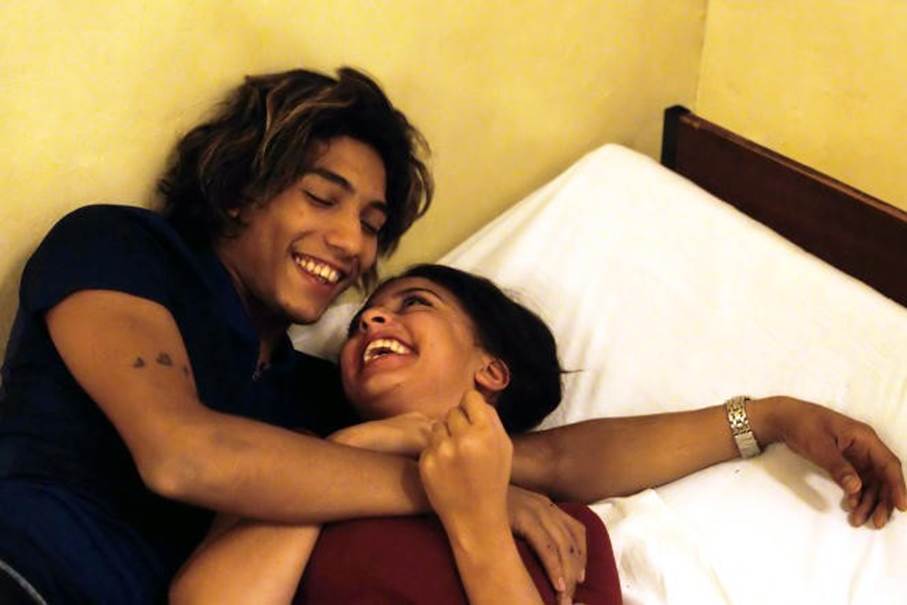
Your three favorite films? The ones you’d recommend to people.
“The Rules of the Game” by Jean Renoir.
What a lesson in light and framing, especially for its time. And what an extraordinary snapshot of a society. Class relations, everything. Magnificent.
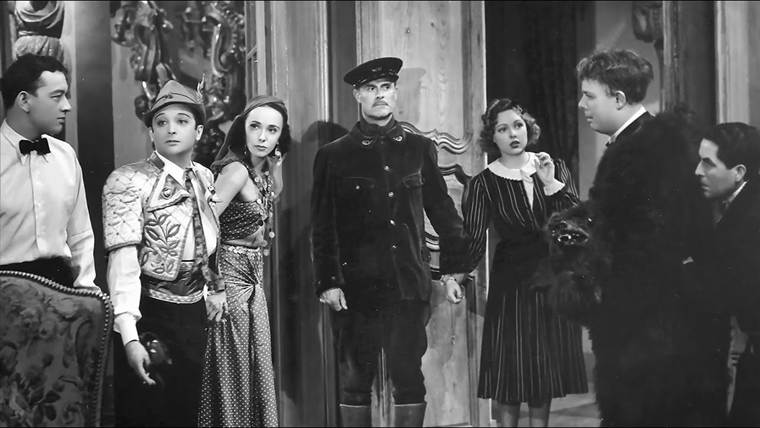
“Mauvais Sang” by Leos Carax.
That film made me want to make cinema. I found all the Godard I loved in it — the precision of the framing, the light. He makes the camera move.
The sound design too.
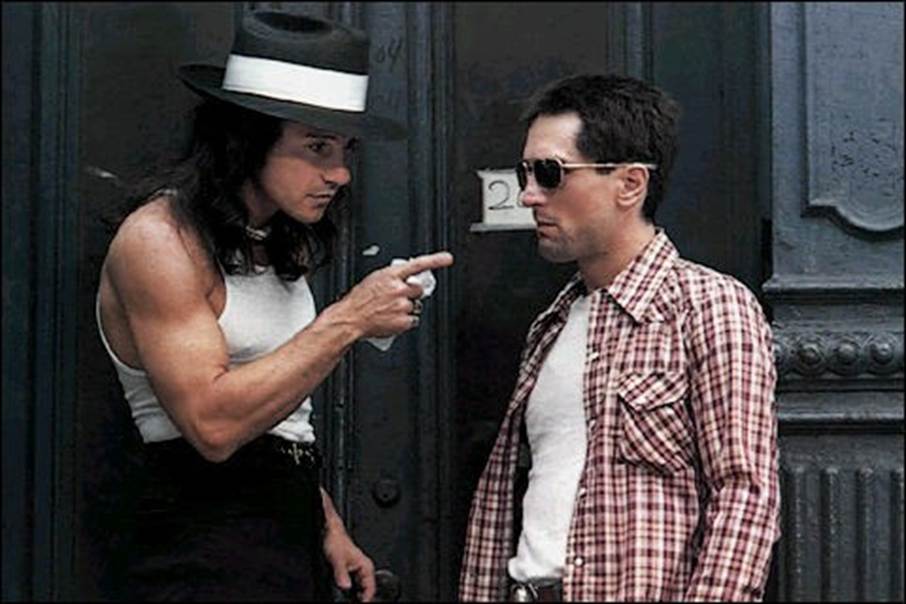
“Taxi Driver” by Martin Scorsese.
What a film. What magic. My first real slap in the face from an urban film. That’s life — and then there’s New York.