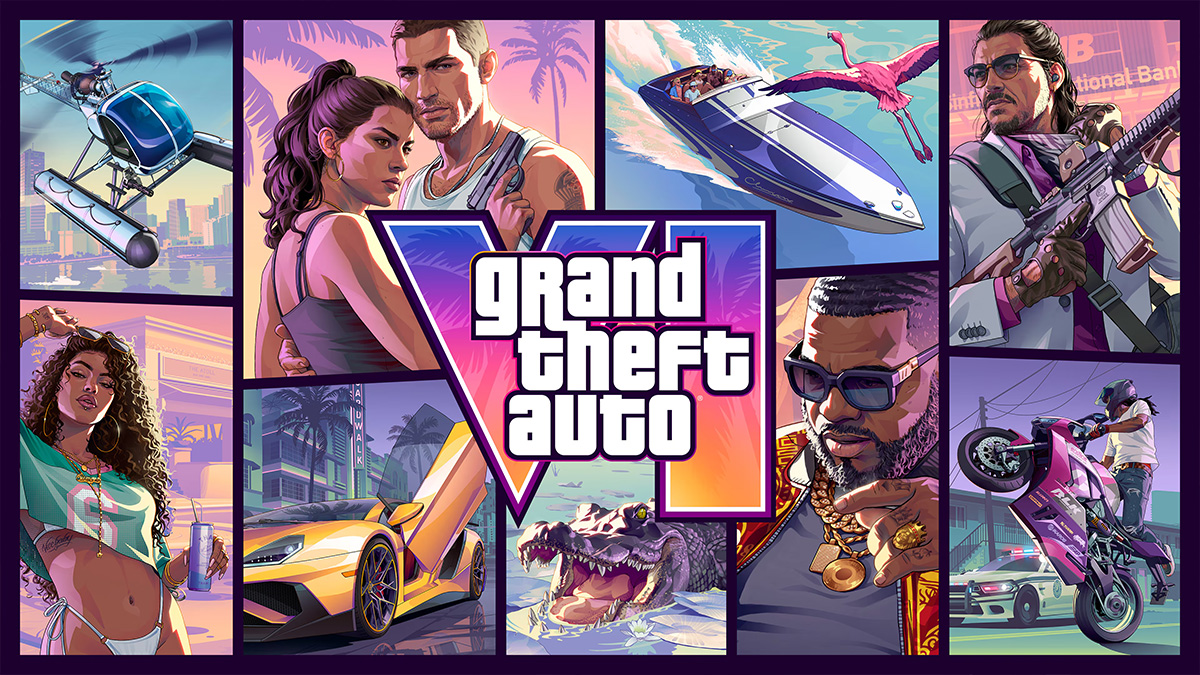
GTA: How Video Games Became More Powerful Than Movies and Music
August 28, 2026
With more than $800 million generated in just 24 hours and the billion-dollar mark crossed in only three days, Grand Theft Auto V didn’t simply achieve one of the biggest launches in video game history. In September 2013, Rockstar demonstrated that a video game could now compete with the biggest productions in the entertainment industry. Film, music, gaming: the economic boundaries between these worlds had effectively collapsed.
More than twelve years after its release, GTA V has surpassed 230 million units shipped. The Grand Theft Auto franchise as a whole has now exceeded 470 million units.
Staggering figures for a series whose first installment was a modest 2D game that was anything but a graphical showcase.
$800 million in 24 hours
When it launched on September 17, 2013, GTA V immediately delivered an extraordinary commercial performance.
$800 million in a single day. One billion dollars in three.
A year earlier, Call of Duty: Black Ops II had already made headlines by generating more than $500 million in 24 hours. GTA V shattered that record.
Even much more recent gaming phenomena remain behind it: Diablo IV surpassed $666 million in five days, while Hogwarts Legacy generated approximately $850 million in two weeks.
GTA V had nearly reached that figure before the end of its first day on sale.
But these numbers become even more remarkable when gaming is compared with the rest of the entertainment industry.
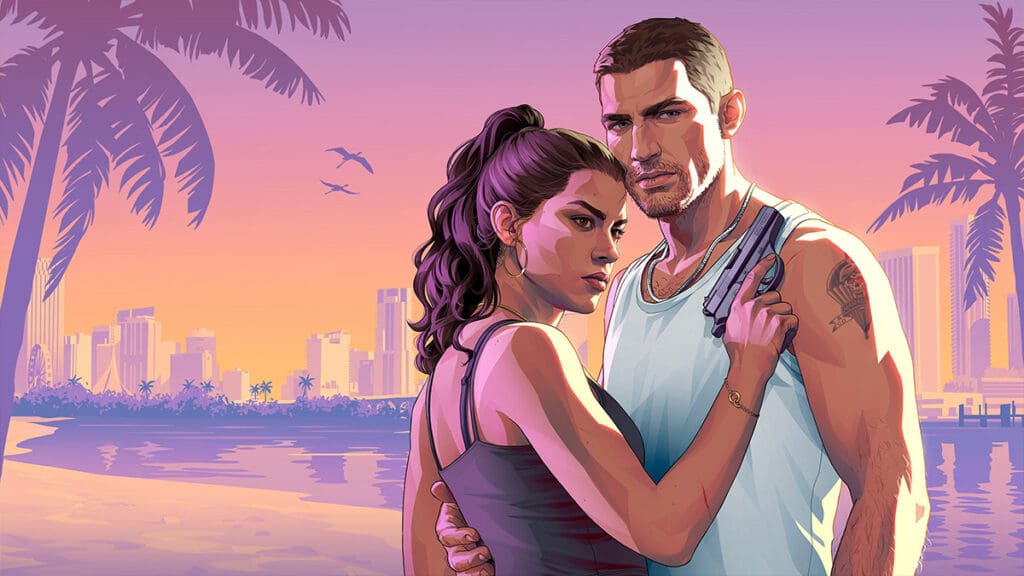
GTA is playing in the same league as the Avengers
In cinema, Avengers: Endgame remains one of the most spectacular examples of a global blockbuster.
In 2019, the film generated approximately $1.2 billion at the worldwide box office during its opening weekend.
GTA V had reached one billion dollars in three days.
The comparison is not perfect, of course. A film’s box-office revenue is shared with movie theaters, while video game sales also involve retailers, digital storefronts, platform holders and their respective commissions.
But the significance is undeniable: a video game can now generate revenues within a matter of days that are comparable to some of the biggest events in cinema history.
And unlike a movie, whose theatrical run generates most of its box-office revenue within a relatively short period, GTA V would continue to sell and generate revenue for more than a decade.
With GTA Online, Rockstar extended the game’s lifespan even further.
The game was no longer simply a product. It became a living universe that players could return to — and continue spending money in — years after their original purchase.
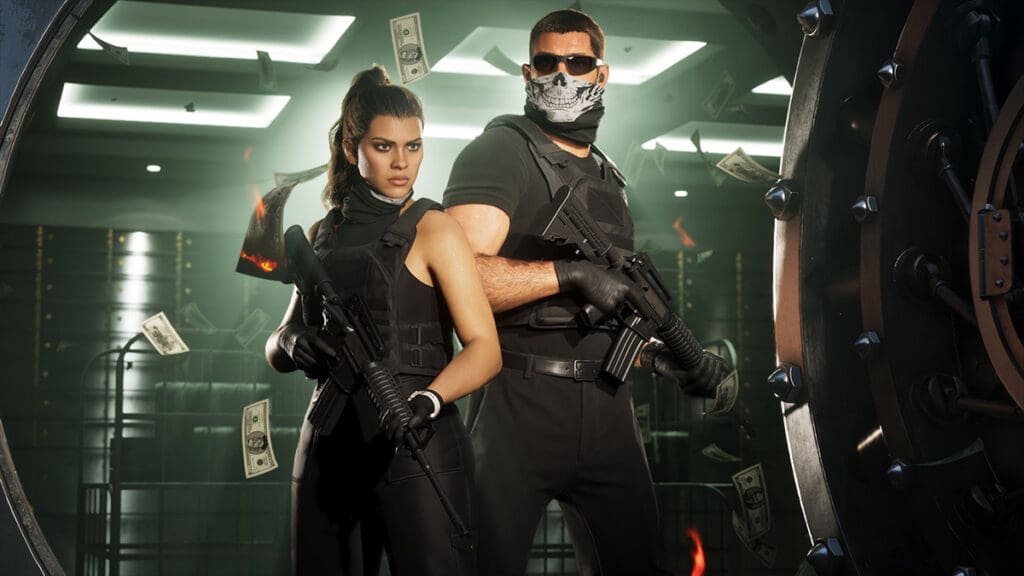
Even Taylor Swift looks small next to GTA
The comparison with the music industry is even more striking.
In 2024, Taylor Swift delivered one of the biggest album launches of the modern era with The Tortured Poets Department.
The album generated 2.61 million equivalent album units in the United States during its first week, including nearly 1.9 million traditional album sales. Around 1.4 million copies were sold on the first day alone.
By music industry standards, those numbers are enormous.
But a simple calculation illustrates the difference in scale.
If those 1.4 million albums were hypothetically valued at $15 each, they would represent approximately $21 million in sales.
To match the $800 million generated by GTA V at the same $15 price point, an artist would theoretically need to sell more than 53 million albums in a single day.
The comparison is illustrative rather than exact: different formats, streaming revenues and territories make a direct equivalence impossible. Nevertheless, it highlights a simple reality: a major video game can now generate sums that even a historic music release would struggle to approach.
GTA V: a money-making machine that never really stopped
Yet perhaps the most remarkable part of the story is its longevity.
By 2018, when GTA V had sold around 90 million copies, its cumulative revenue was already estimated at approximately $6 billion.
Several media outlets subsequently described it as the highest-grossing individual entertainment product in history.
Since then, the game has surpassed 230 million units shipped.
GTA V has spanned three generations of consoles, received multiple re-releases and, above all, benefited from the extraordinary success of GTA Online.
This is where video games hold a considerable advantage: a title can remain alive, evolve and continue attracting players for years.
GTA V is therefore much more than a spectacular launch. It has become one of the clearest examples of the extraordinary position video games now occupy within popular culture.
And yet, the original GTA was anything but spectacular
The contrast with the franchise’s origins is striking.
Back in 1997, the original Grand Theft Auto was a long way from being a blockbuster.
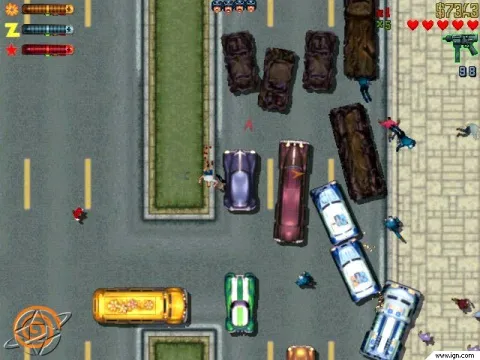
Developed by DMA Design, the studio that would later become Rockstar North, the game featured a 2D top-down perspective. Cars were tiny, characters barely detailed and the environments relatively crude.
At a time when 3D graphics were becoming one of gaming’s biggest selling points, GTA was hardly an attractive game from a visual standpoint.
Its development was troubled as well, and the project reportedly came close to being cancelled.
The specialist press did not immediately recognize the phenomenon it would eventually become.
In France, gaming magazine Joystick awarded it just 49%.
Looking back, it is difficult to reconcile that mediocre score with what would eventually become one of the most important franchises in video game history.
The players understood
While GTA may not have impressed with its presentation, its underlying concept offered something genuinely different.
Players were dropped into a city where they could steal cars, work for criminals, attract police attention and then try to escape.
More importantly, GTA reversed the traditional roles.
The player was no longer necessarily the hero tasked with saving the world.
The player was the criminal.
And the city was no longer simply scenery to pass through between missions. It gradually became a playground in its own right.
Players could follow the objective they had been given, but they could also steal a car, head somewhere else, trigger a police chase or simply experiment with the possibilities offered by the game world.
The original GTA was graphically limited, but its concept was immediately understandable.
GTA III: the concept goes 3D
Four years later, Grand Theft Auto III took that idea into an entirely new dimension.
Liberty City became a fully three-dimensional world. Players could roam its streets, steal the vehicles they encountered, provoke the police and simply lose themselves in the city.
GTA III felt revolutionary, but its fundamental concept had already existed in the 1997 original.
Technology did not invent GTA.
It allowed the concept to finally reach its full potential.
Vice City would add its unmistakable atmosphere and soundtrack. San Andreas dramatically expanded the playground. GTA IV pushed realism and storytelling further, before GTA V transformed the formula into a genuine global blockbuster.
With every generation, the cities grew larger, the graphics became more impressive and the budgets increased.
But the fundamental idea remained remarkably consistent.
Before the billions, there was an idea
The history of GTA ultimately reflects two parallel transformations.
The first is the evolution of video games themselves. In just a few decades, gaming has gone from an industry often regarded as secondary entertainment to a cultural powerhouse capable of generating $800 million in a single day, competing with the biggest Hollywood blockbusters and comfortably surpassing the immediate commercial performance of even the largest music releases.
The second transformation is that of GTA itself.
Because commercial power alone does not explain why this particular franchise has endured for nearly three decades.
Long before Los Santos, hundred-million-dollar budgets and photorealistic graphics, GTA already possessed what would become its defining characteristic: a genuine gameplay concept.
The same can be said of some of the most enduring franchises in gaming history. World of Warcraft never needed to be the most graphically realistic game to attract millions of players. Its world, its mechanics and the social experience it offered were its real driving forces.
GTA is built on a similar strength: a core idea powerful enough to survive generation after generation of technological change.
In 1997, its cars were made from a handful of pixels and Joystick grudgingly awarded it just 49%.
Yet everything that mattered was already there: an open city, a criminal protagonist and an unusual degree of freedom handed to the player.
The graphics changed. The budgets exploded. Video games grew into an industry capable of competing with Hollywood and the biggest stars in music.
But GTA’s core concept was there from the very beginning.