
Interview – Pit Baccardi: “Rap is good when it’s done right, no matter the era.”
25 Years and the Olympia Question: You’ve just celebrated 25 years of career on the stage of the Olympia. What does it feel like to reconnect with your audience after all these years, in…
 Written byZEZ XXI — Mazdak Vafaei Shalmani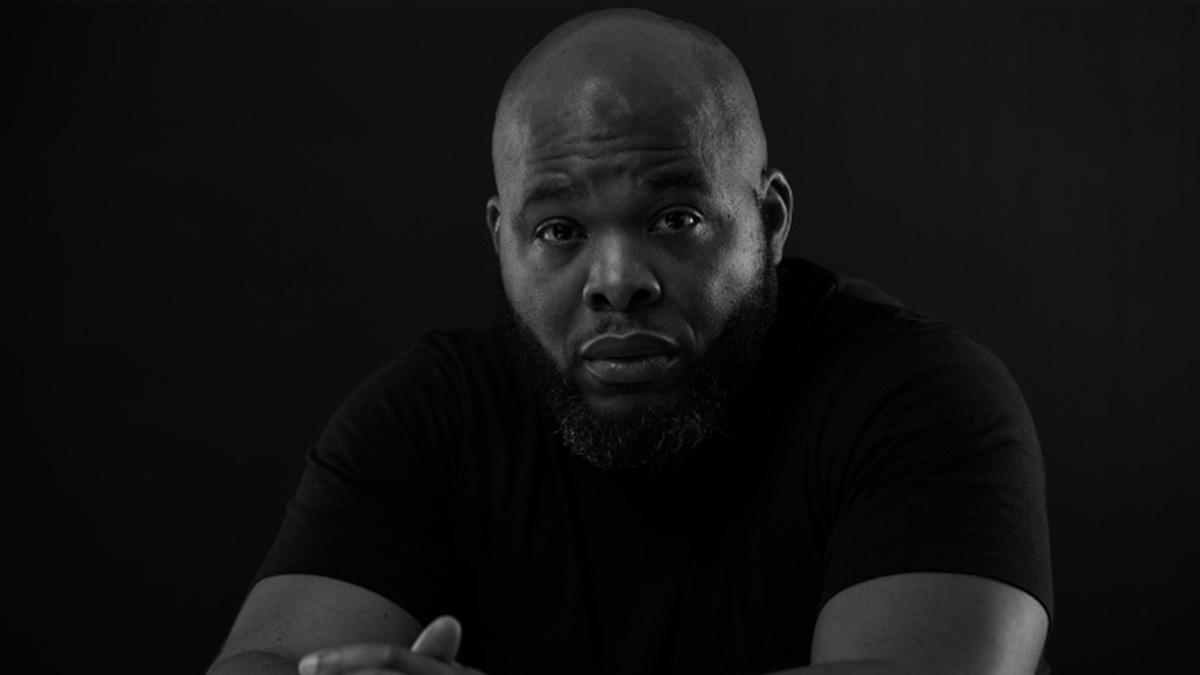
Dans cet article


25 Years and the Olympia
Question:
You’ve just celebrated 25 years of career on the stage of the Olympia.
What does it feel like to reconnect with your audience after all these years, in such a symbolic venue?
Answer – Pit Baccardi:
Reconnecting with the audience is always an immense pleasure. Direct contact with people is the most exciting thing for an artist, and that happens above all on stage.
I had real apprehension going into it — I hadn’t been back on stage in fifteen years. I was prepared for the best as well as the worst. Thankfully, the best prevailed.
It became a true moment of celebration, emotionally very powerful.

Africa, Roots, and a Business Vision
Question:
Since 2020, you’ve been the director of Universal Music Africa and the founder of the label Empire Company in Cameroon.
Is this primarily a return to your roots, or a strategic move tied to the growing African music market?
Answer – Pit Baccardi:
When I go back to Africa, it’s not a strategy. It’s a personal necessity — a need to reconnect with myself and recharge.
Today, I speak in terms of a first and a second chapter of my career. In the first, I gave everything. At some point, I felt the need to slow down artistically, without cutting ties with music.
That’s why I created Empire Company in Cameroon about ten years ago: to stay connected to creation and to produce artists. Over time, it has become a real platform.
Africa today represents a music economy in the making. It hasn’t yet reached the level of Western markets, but it’s clearly moving forward.
The Example of Himra
Question:
Does the success of an artist like Himra confirm that the future of the music business is increasingly being shaped in Africa?
Answer – Pit Baccardi:
Africa has always been a major musical crossroads. If it’s talked about more today, it’s because rap is now part of the conversation — but the continent has always been central: Congo, Senegal, Mali, Cameroon, Lusophone music, and later Nigeria and Ghana.
Today, there’s a genuine wave of rap and hip-hop artists dominating charts and drawing media attention.
That momentum is generating an economy strong enough to attract global interest. Africa is clearly far more attractive than it used to be.
Rap Then and Now – Form
Question:
What has changed the most between rap back then and rap today, in terms of form?
Answer – Pit Baccardi:
Rap is a product of its environment. The world changes, so music changes too.
We now live in a culture of immediacy, lightness, and ostentation. Rap reflects this societal shift. Listening has become less demanding, because artists need to buzz fast and stream fast.
Changes in song structure and sound are positive — renewal is necessary.
When it comes to writing, however, the debate is real. We were a generation deeply focused on lyrics, whereas today, vibe alone can sometimes be enough to build a career.

Promotion and Artist Visibility
Question:
Is it harder to break through today than it was in your era?
Answer – Pit Baccardi:
Every era has its own challenges. Back then, there were no social networks, so artists couldn’t build visibility alone from their bedroom.
Today, everyone can do it — and that’s exactly what makes it harder. To stand out, you truly have to be exceptional.
There’s no better or worse era; just different realities.
The Album Pit Baccardi
Question:
With hindsight, do you still consider this album your most accomplished project?
Answer – Pit Baccardi:
Time is what defines the true value of a project.
When I release an album, I know I’ve made a solid record, but I don’t yet know if it will become a classic.
My albums have always been built with consistency and intention. The rest belongs to time and the audience.
Lyrics at the Core of Your Work
Question:
Has French rap shifted away from substance in favor of form?
Answer – Pit Baccardi:
No, French rap hasn’t abandoned substance. What’s changed is what gets highlighted.
There are still artists with real penmanship — it’s a matter of cycles.
Before, lyric-driven artists were more visible. Today, more “chemical” profiles are pushed forward.
Each era must be accepted: the past should inspire the present, not restrain it.

Collective Projects and the Spirit of the Era
Question:
Should collective projects be encouraged today?
Answer – Pit Baccardi:
Hip-hop is fundamentally a collective movement. Individualism ultimately weakens it.
Moving forward as a group allows you to go further. Collective spirit is part of the very essence of this movement, and it will always return.
Respect for the New Generation
Question:
Are there artists from the new generation you particularly respect?
Answer – Pit Baccardi:
There’s no single name. I really appreciate Tchakola, Joey LaGreen, Ninho, Niska, and Hamza.
I’ve already collaborated with Dinos, Deen Burbigo, and Jay Brownie.
There are many compelling young artists today.
A Dream Collaboration Today
Question:
If you had a dream collaboration today?
Answer – Pit Baccardi:
I don’t have a specific fantasy collaboration. I enjoy working with artists when there’s genuine human and artistic coherence.

The Artistic Comeback
Question:
Why come back now?
Answer – Pit Baccardi:
It wasn’t a calculation. It was providence.
I intended to return, and things aligned naturally. Life sets the tempo.
Regrets
Question:
Do you have any regrets?
Answer – Pit Baccardi:
None. Everything I am today is the result of my choices, both positive and negative.
Every experience matters.
Then or Now?
Question:
Would you rather have made rap back then or today?
Answer – Pit Baccardi:
I made rap back then, and I still make rap today.
I take things as they come. You have to adapt and keep what truly fits you.
The Final Question: Was Rap Better Before?
Answer – Pit Baccardi:
Rap is good when it’s done right, regardless of the era.
Everything is subjective. You shouldn’t project unrealistic expectations onto artists.
Every artist has their own identity and strength of expression. That’s what should be embraced.
